Getting Started

Product List
Information page for each product, including product images, product features, package contents, specifications, schematic diagrams, pin mappings, interfaces, dimensions, chip data sheets, development platform support, product videos, etc.
View Product List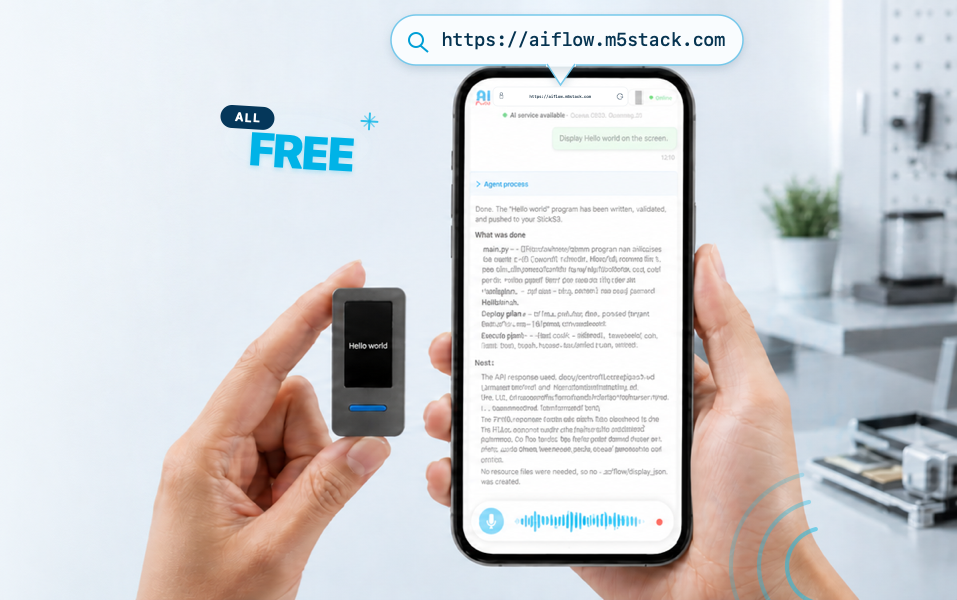
AIFlow
NewAIFlow is a Vibe Coding tool designed for M5Stack hardware and software. Use natural language to quickly generate MicroPython code, deploy programs, and debug M5Stack devices. The Web version is completely free with zero setup for beginners, while the Desktop & APP is designed for advanced users, supporting custom model APIs, Skills & MCP, and more.
AIFlow Quick Start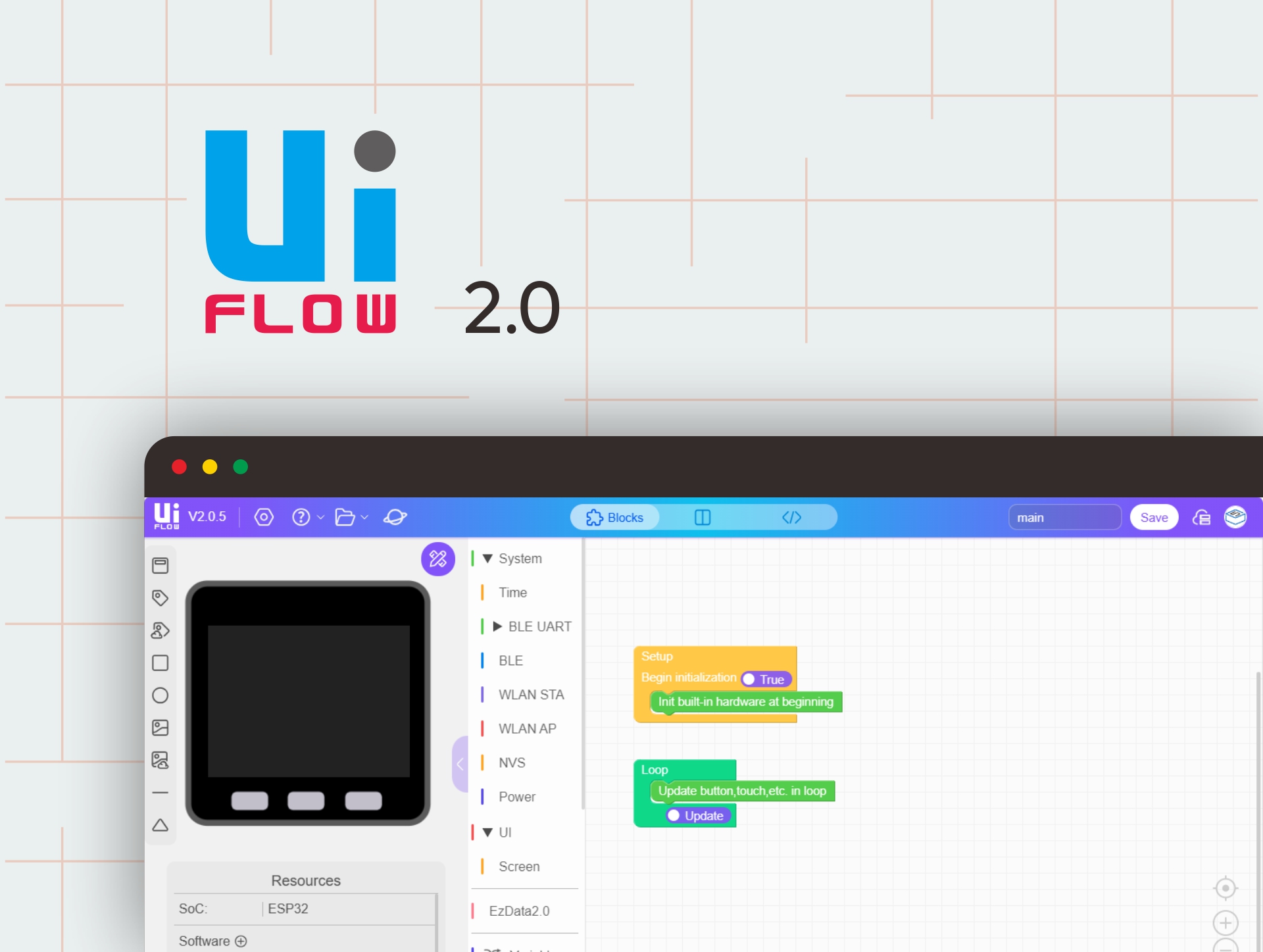
UiFlow
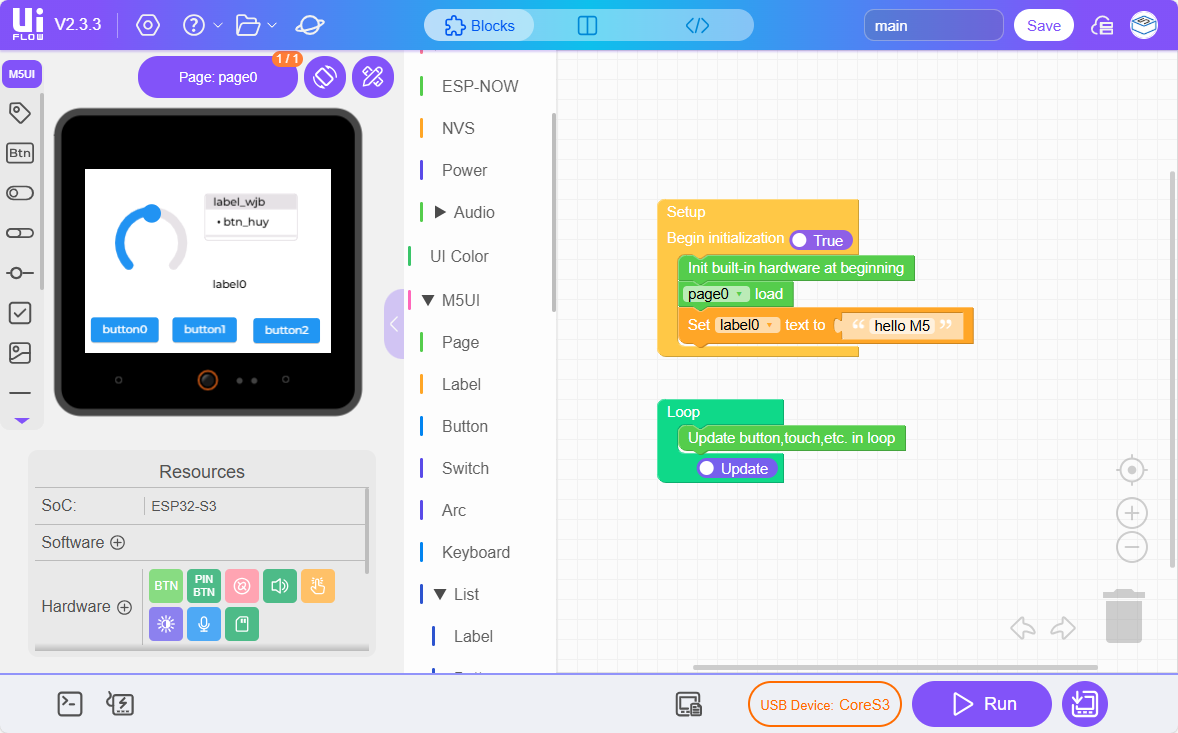
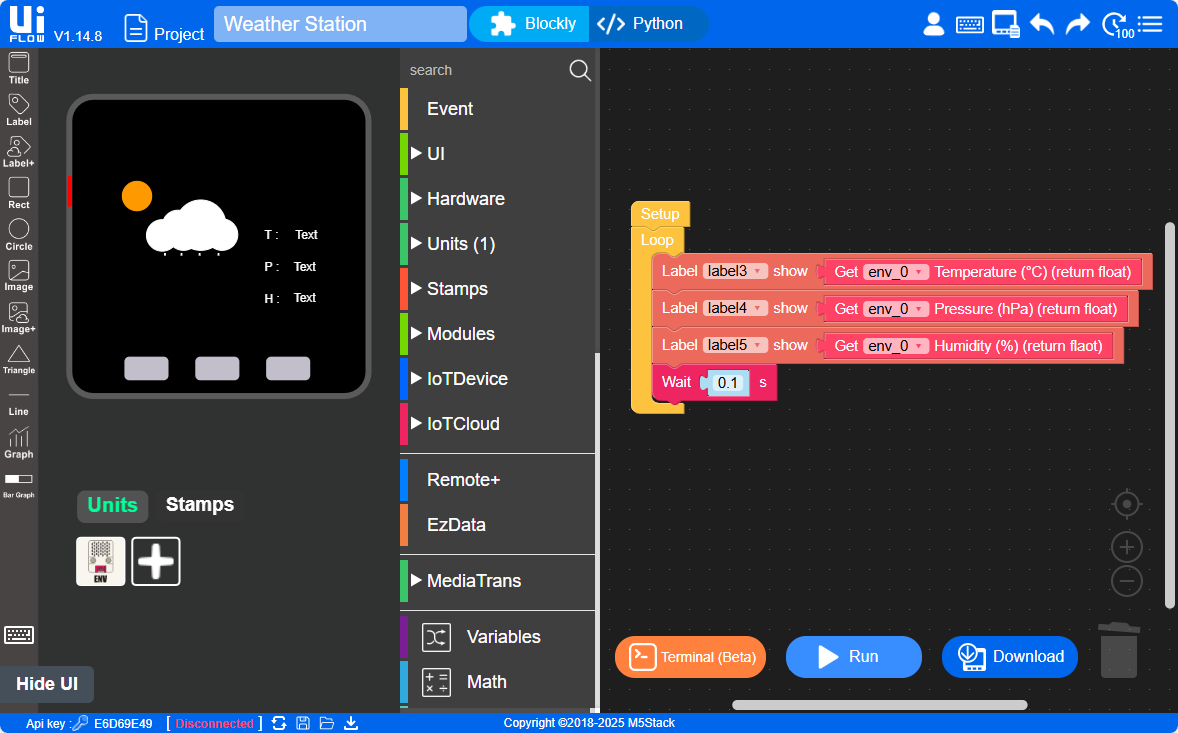
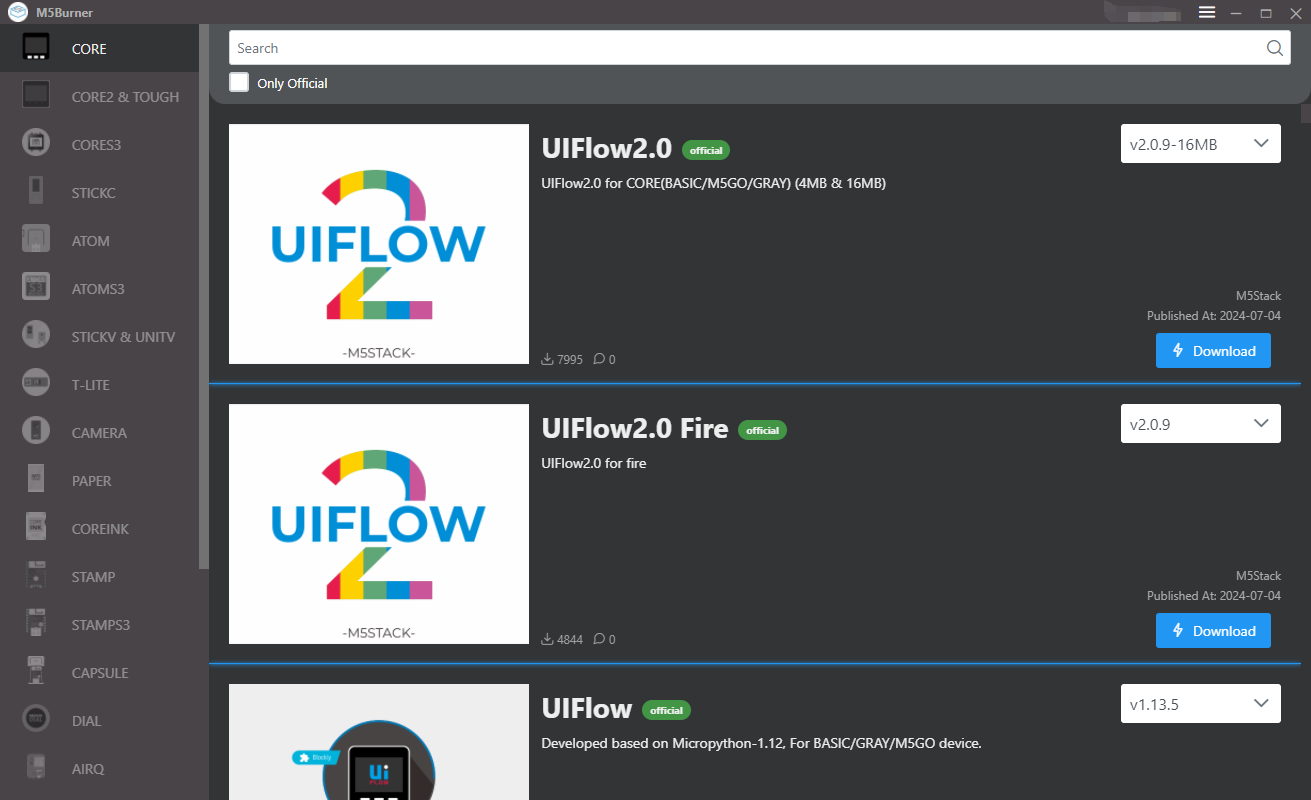
Introduction to the features and usage tutorials of UiFlow1 and UiFlow2 graphical development platforms, as well as simple development examples for various products and functions supported by the platforms.
UiFlow Quick Start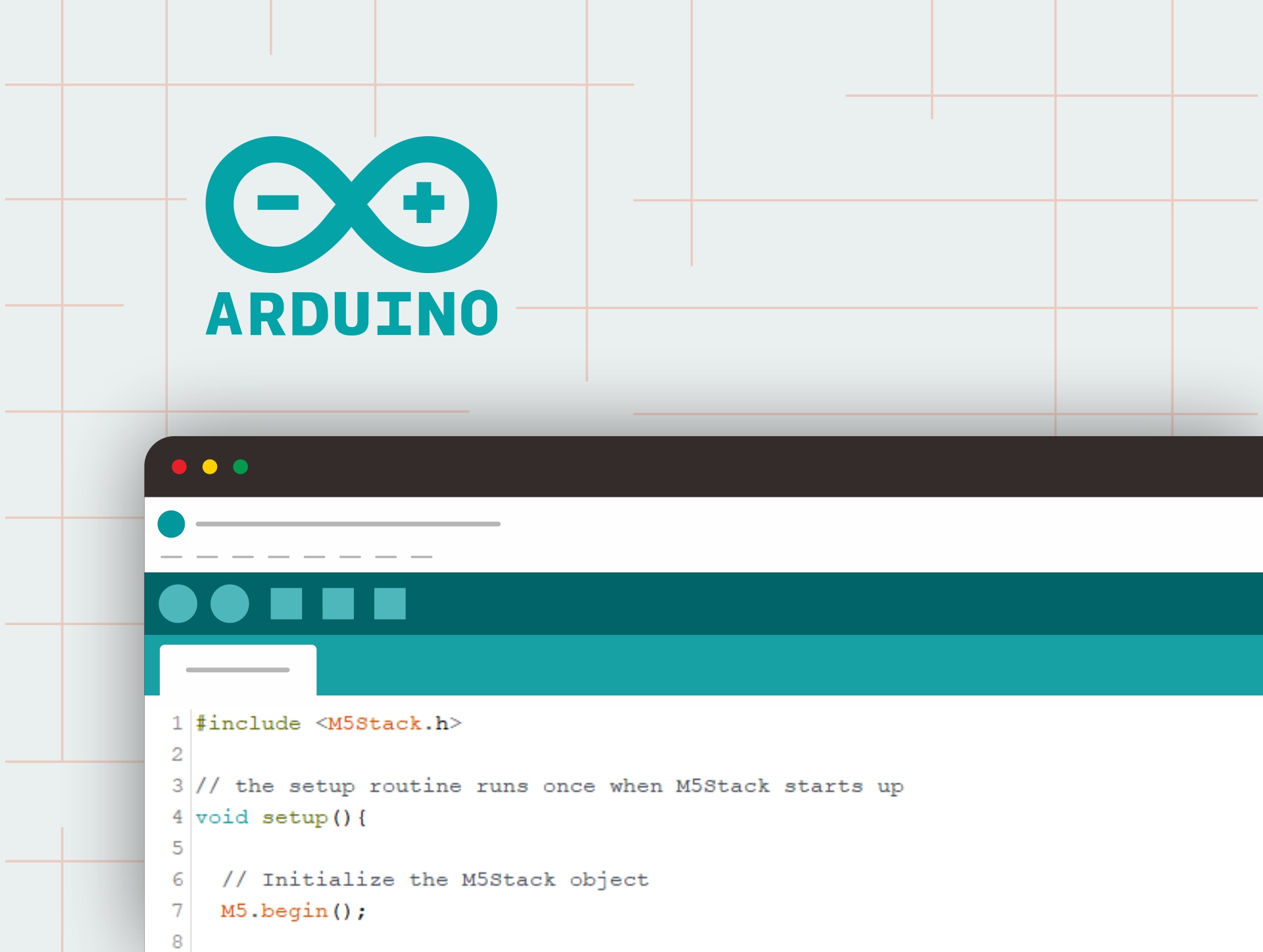
Arduino
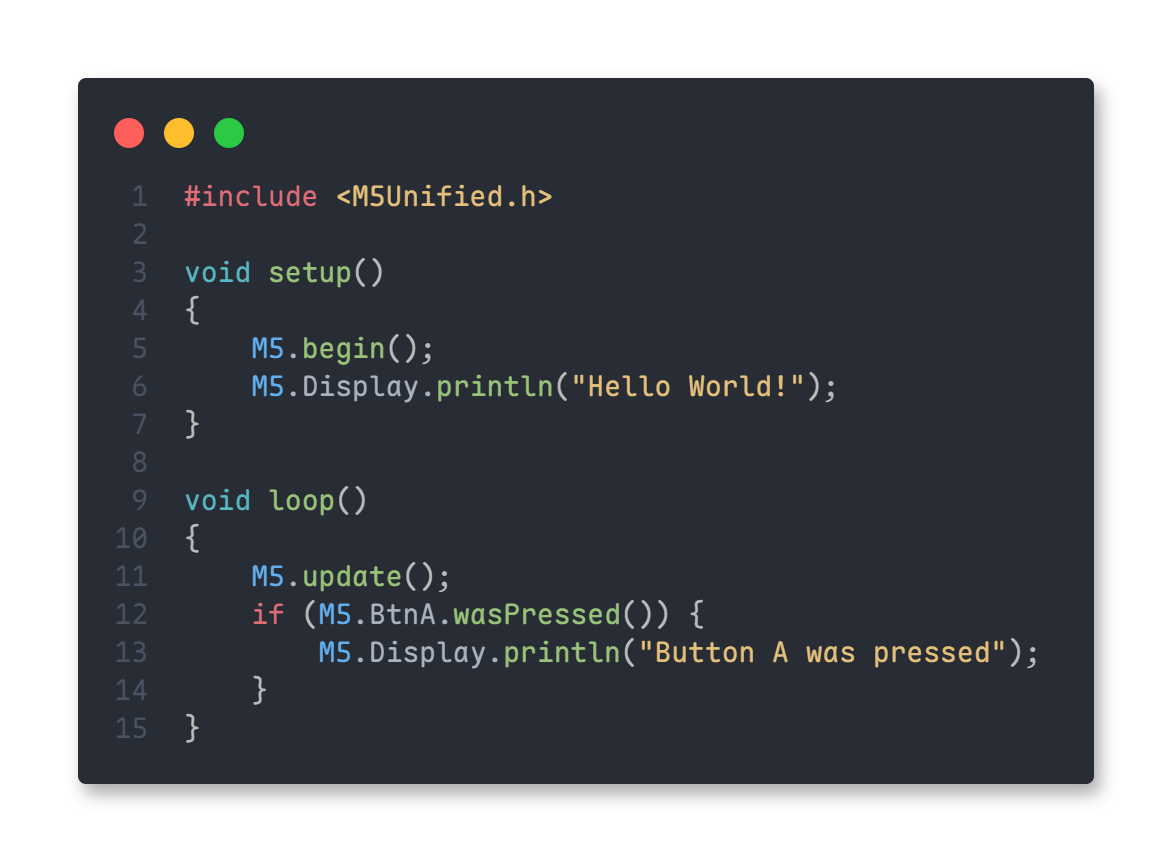
Simple development examples for various main control and peripheral products that support Arduino development, as well as API documentation for M5Unified and M5GFX libraries.
Arduino Quick Start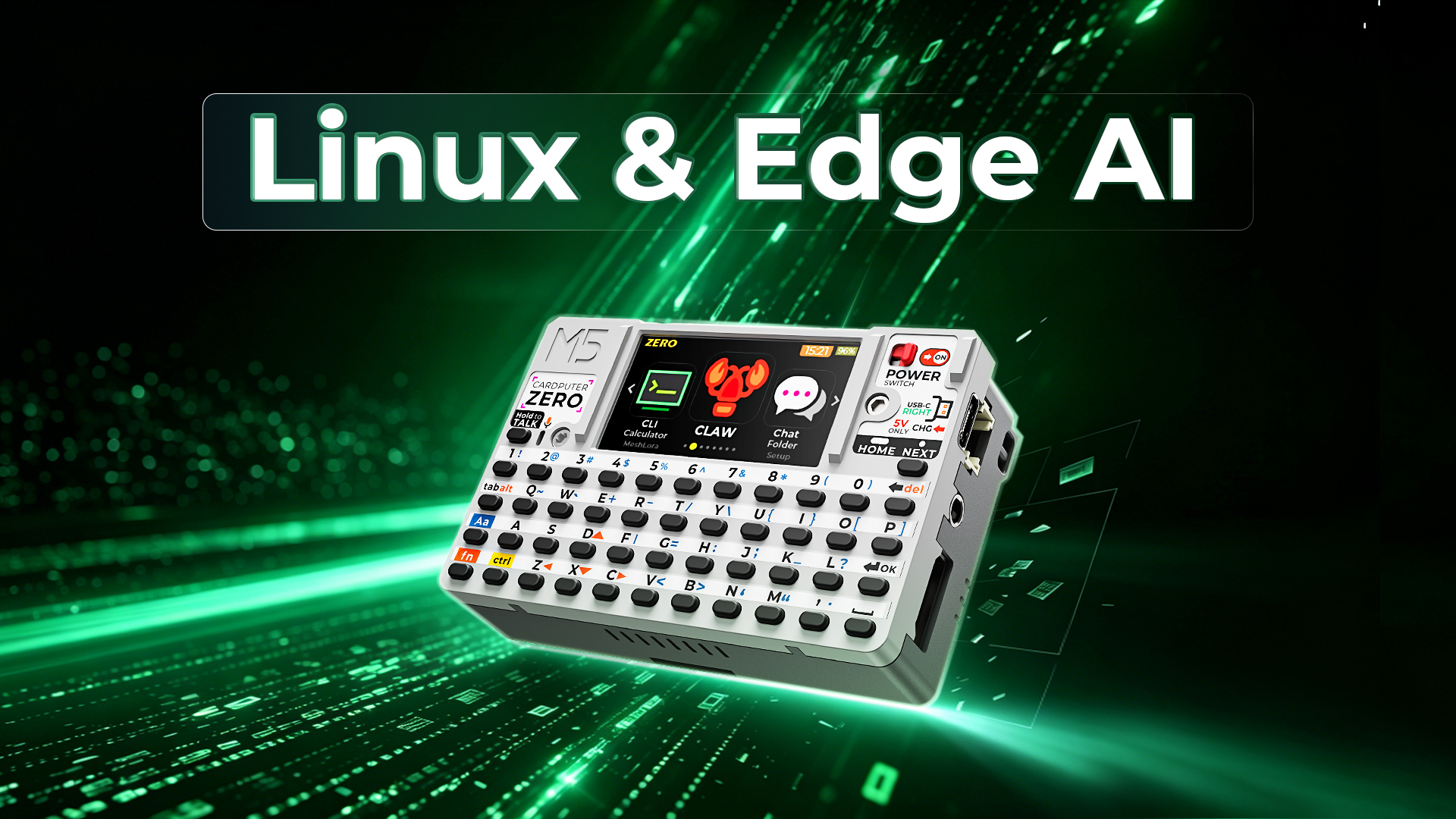
Linux & Edge AI
Tutorials for Linux computers, edge AI devices, and AI accelerator hardware, covering system setup, device management, application development, and local model inference.
View Tutorials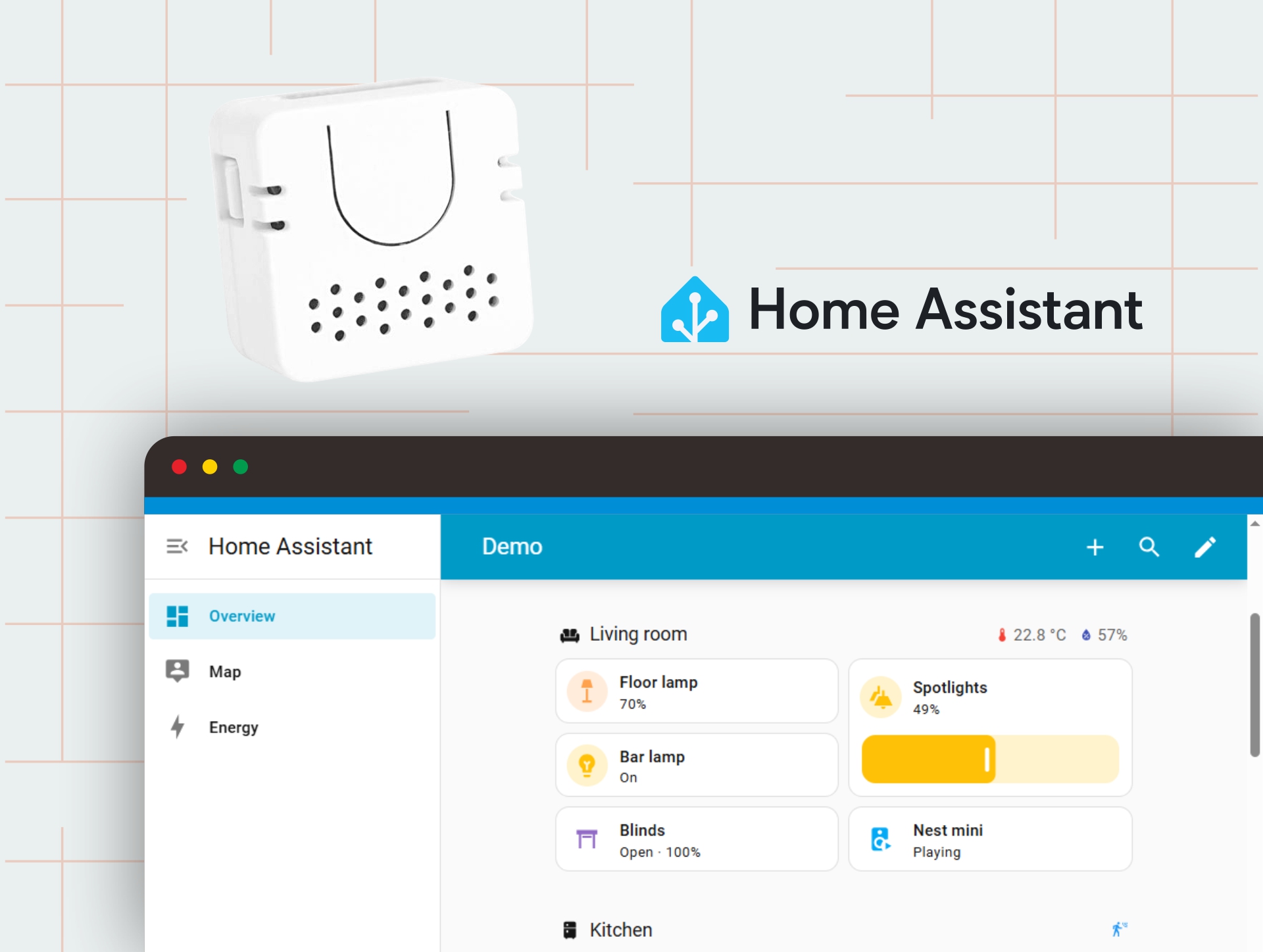
Home Assistant
This tutorial explains how to connect M5Stack hardware devices to Home Assistant to enable smart home control and automation.
Home Assistant Quick Start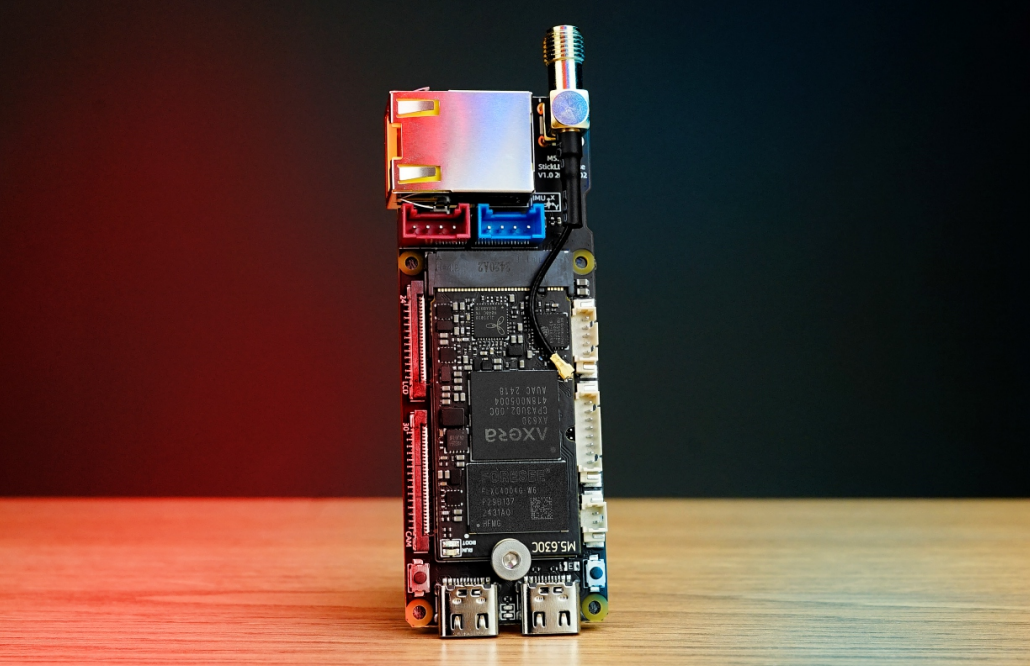
StackFlow AI
StackFlow is a concise and efficient one-stop AI service infrastructure project for embedded developers. Based on M5Stack's hardware device platform, it enables developers and geeks to quickly obtain powerful AI acceleration capabilities in existing embedded devices.
StackFlow AI Tutorial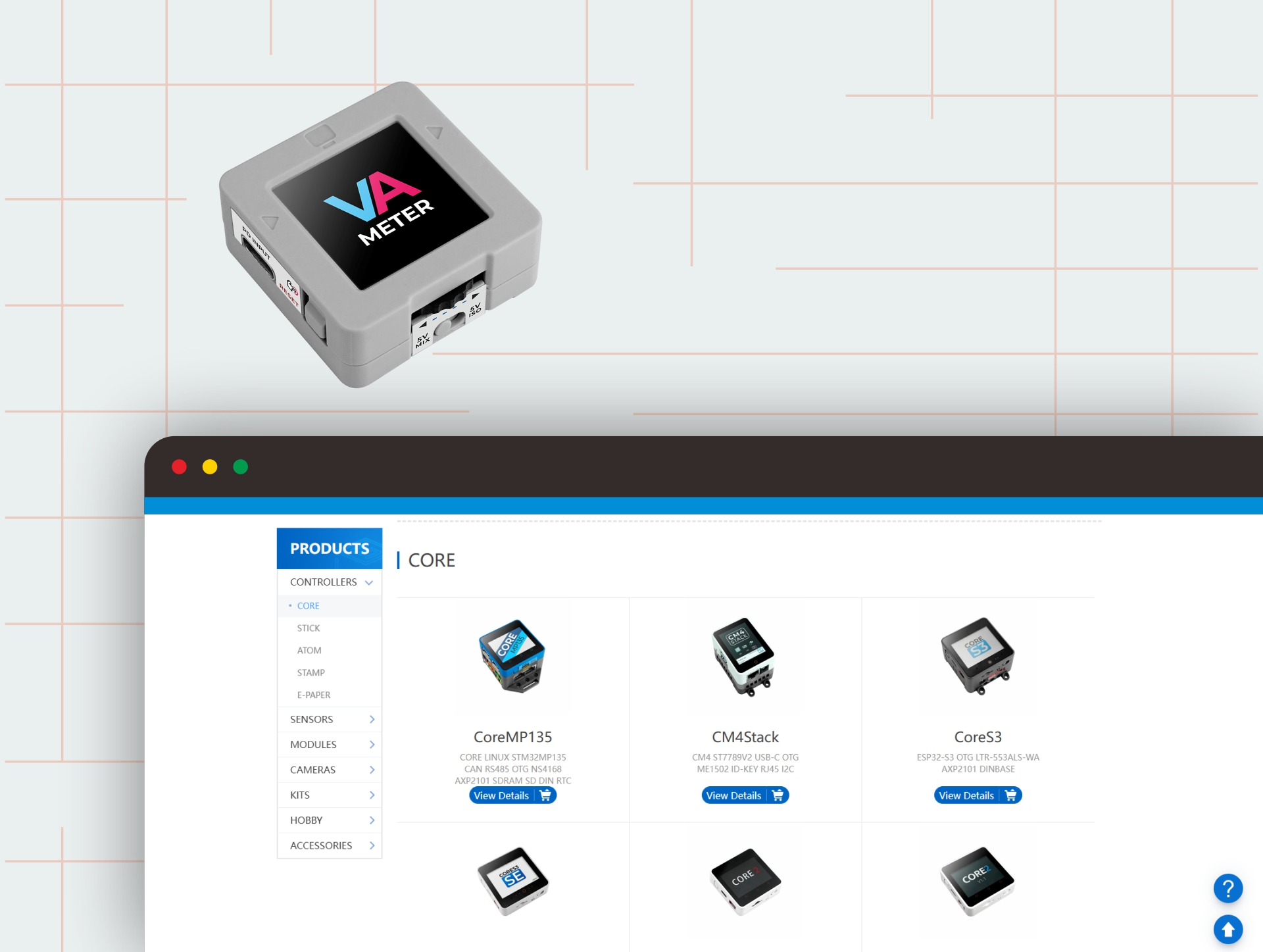
Product Guides
Documentation for factory firmware, feature demos, configuration, maintenance, and application examples for selected M5Stack products.
View Product GuidesWhat is M5Stack?
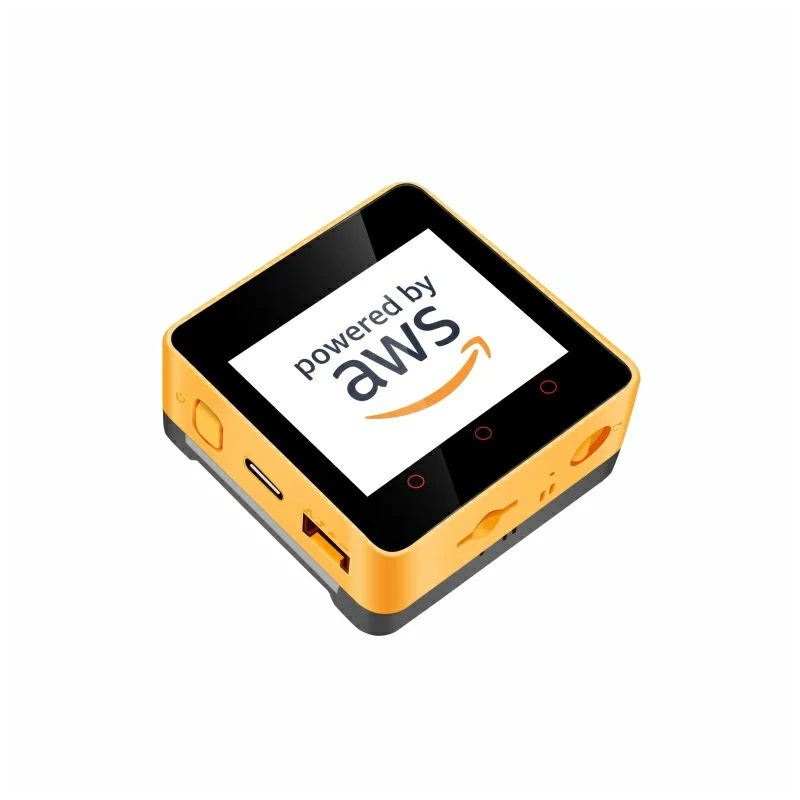
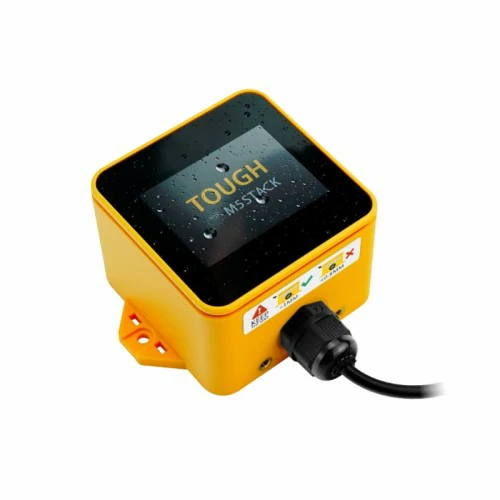
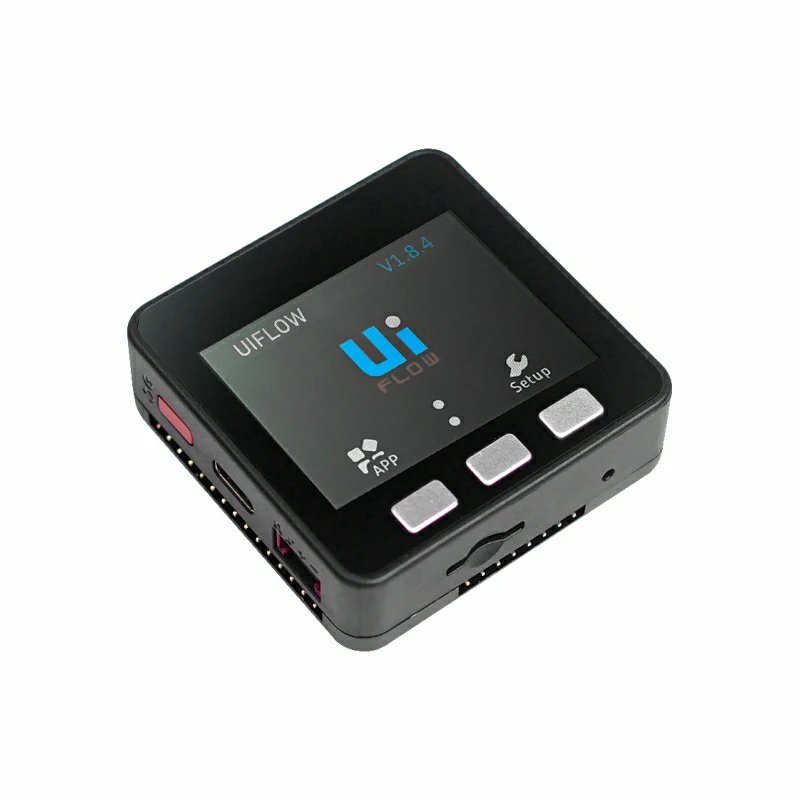
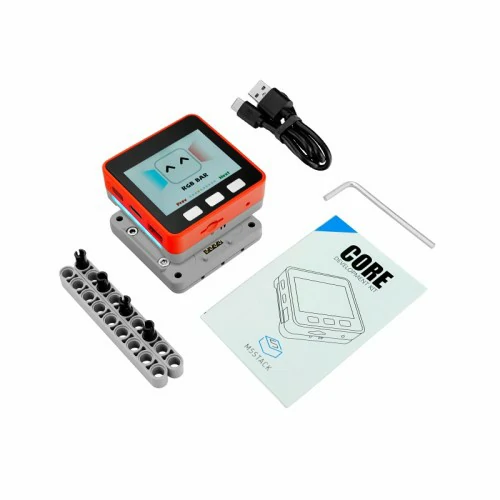
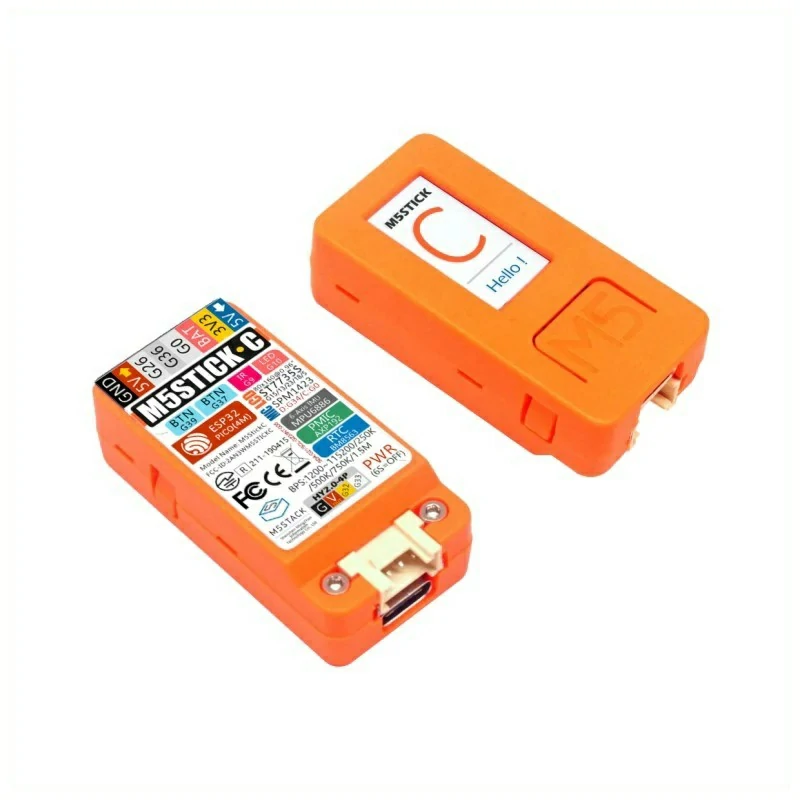
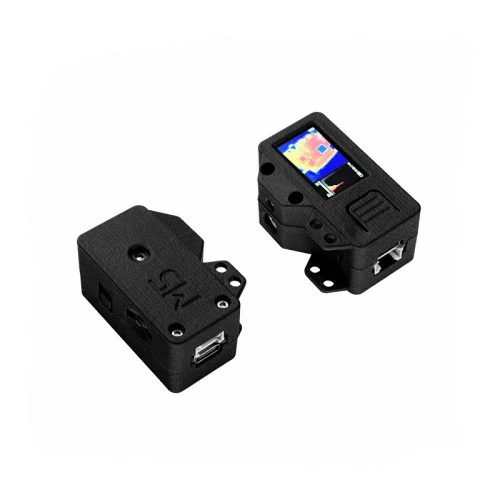
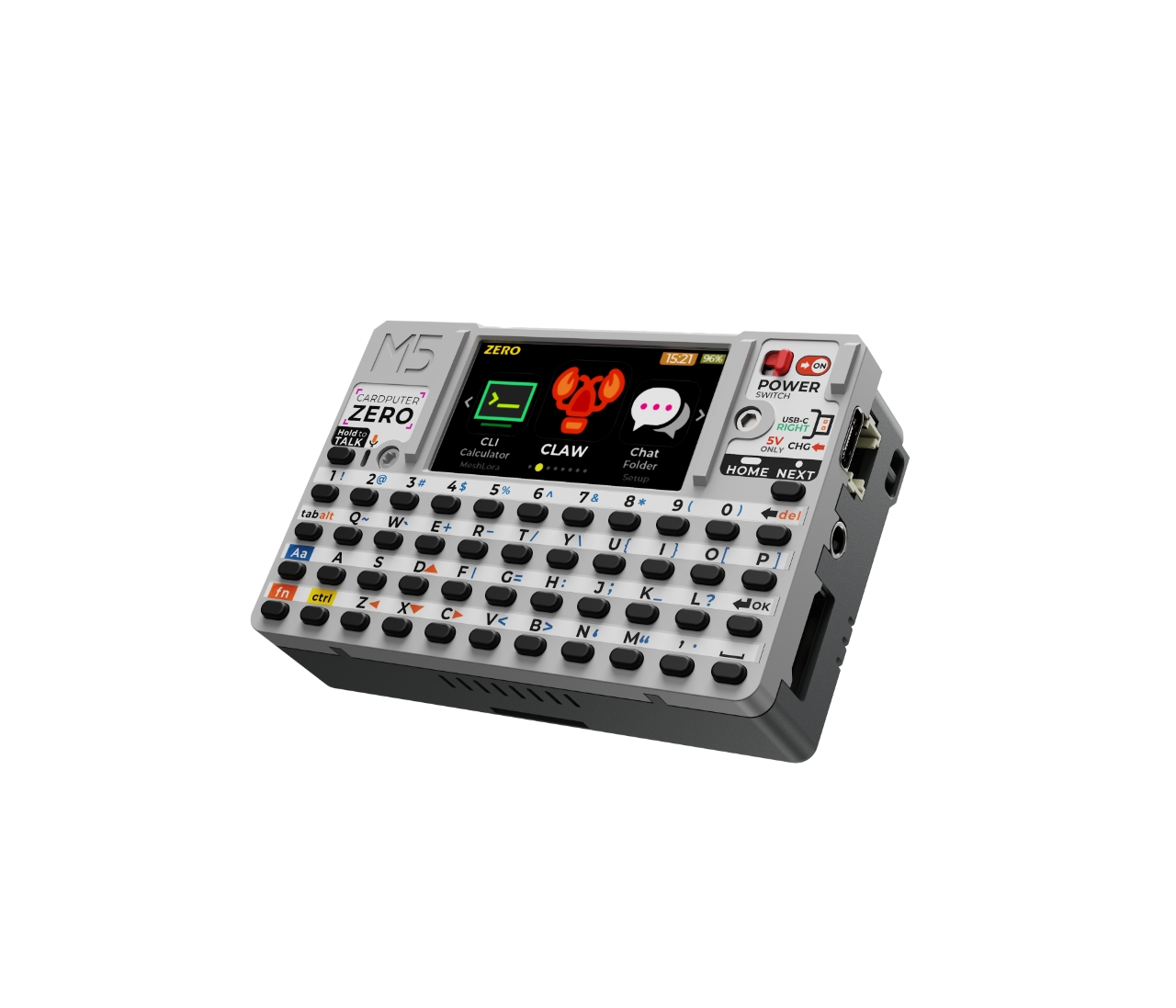
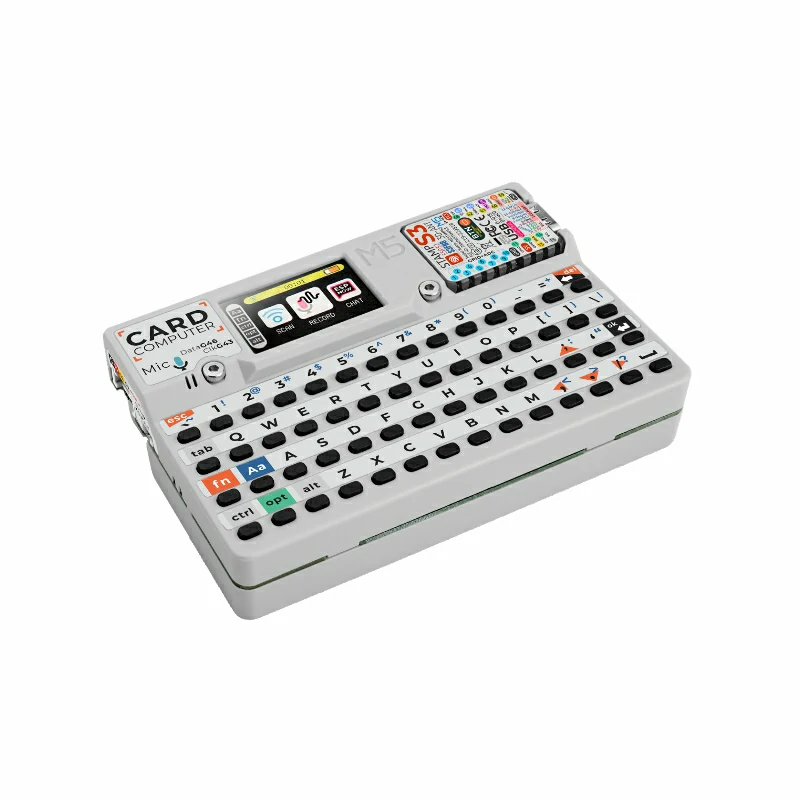
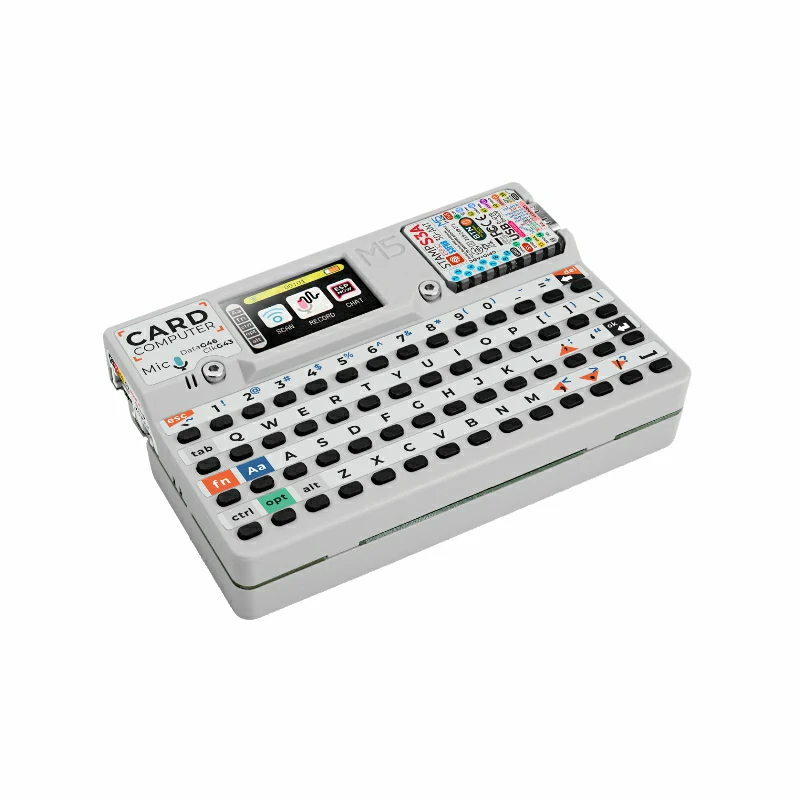
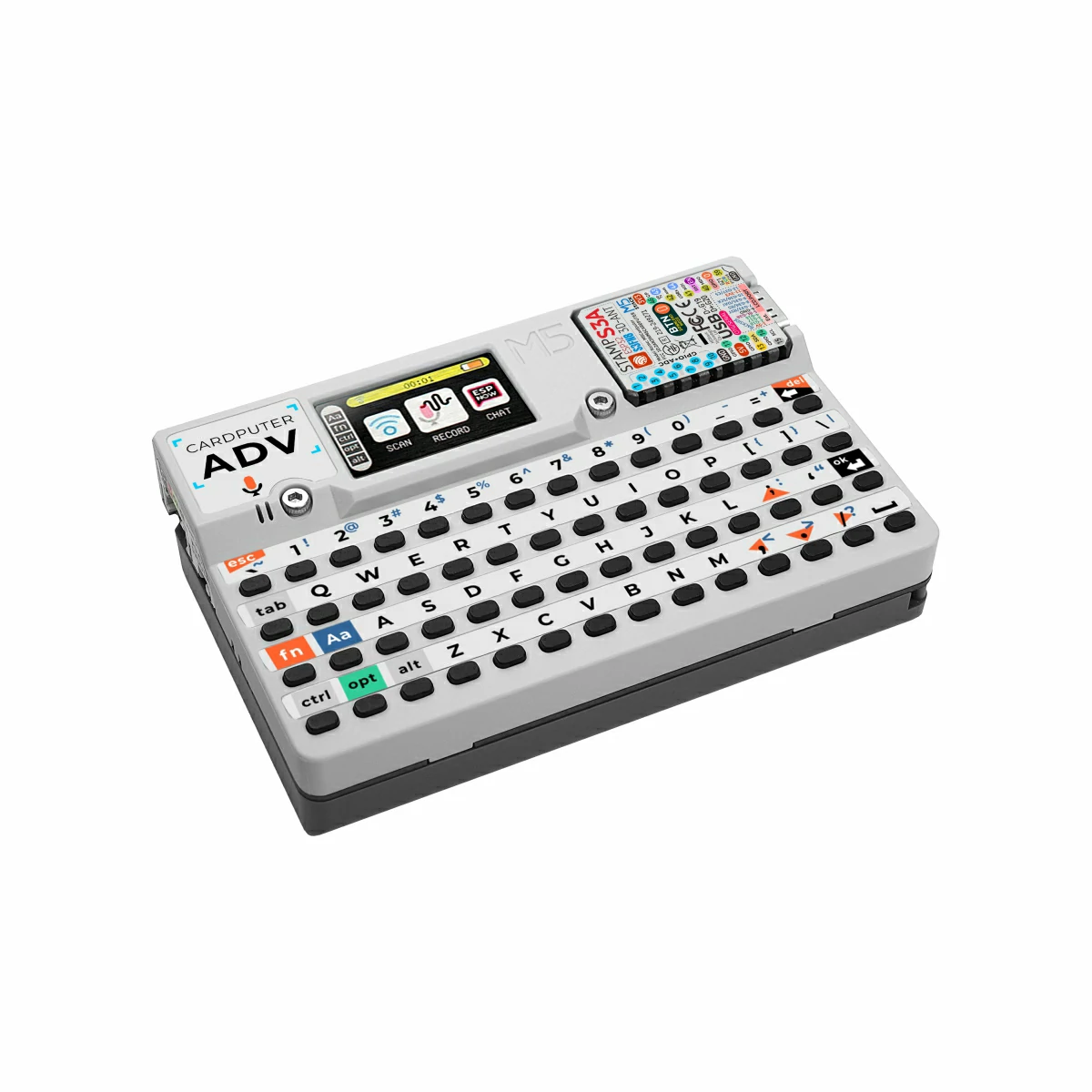
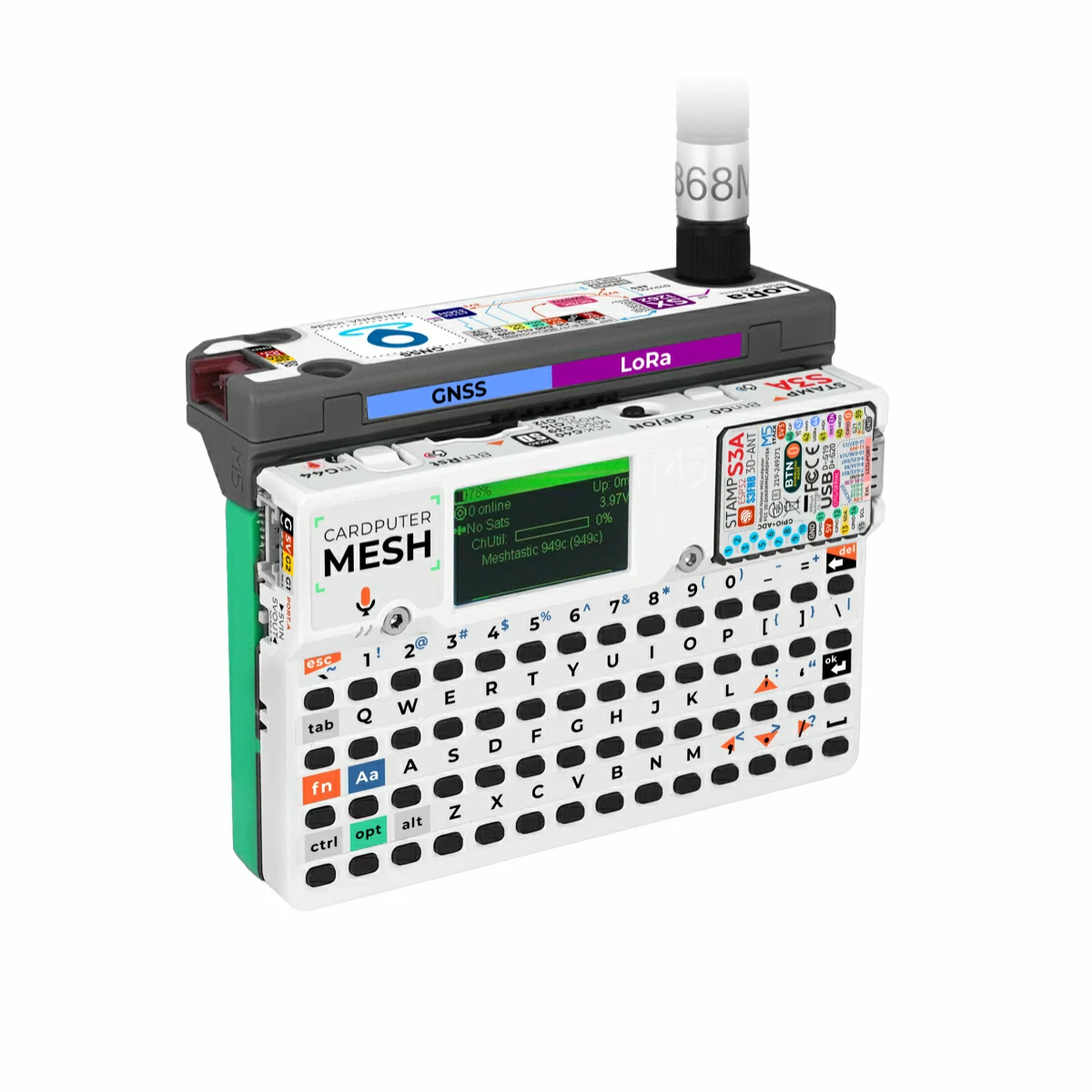
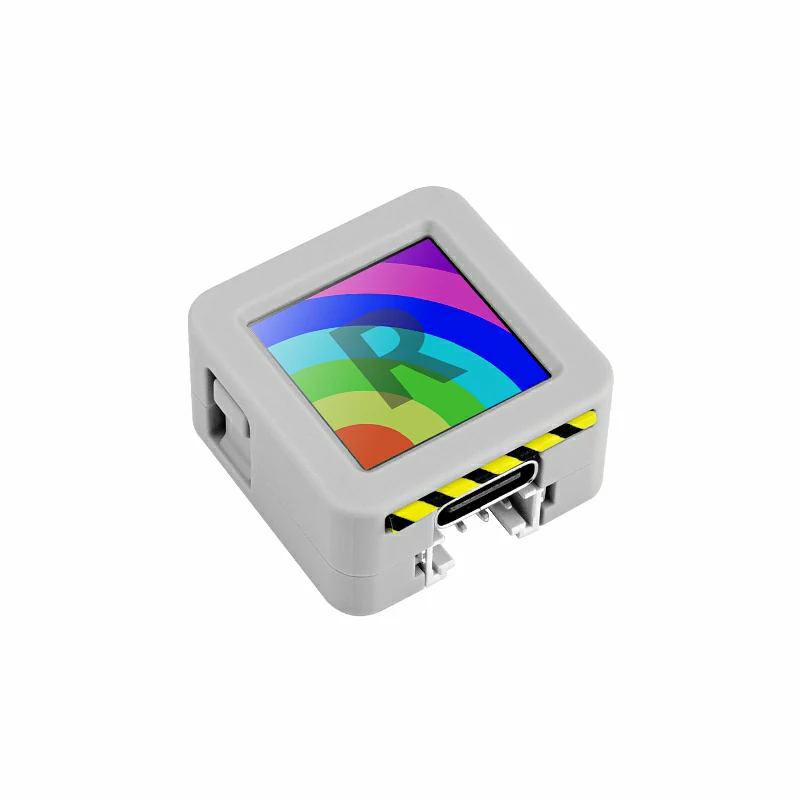
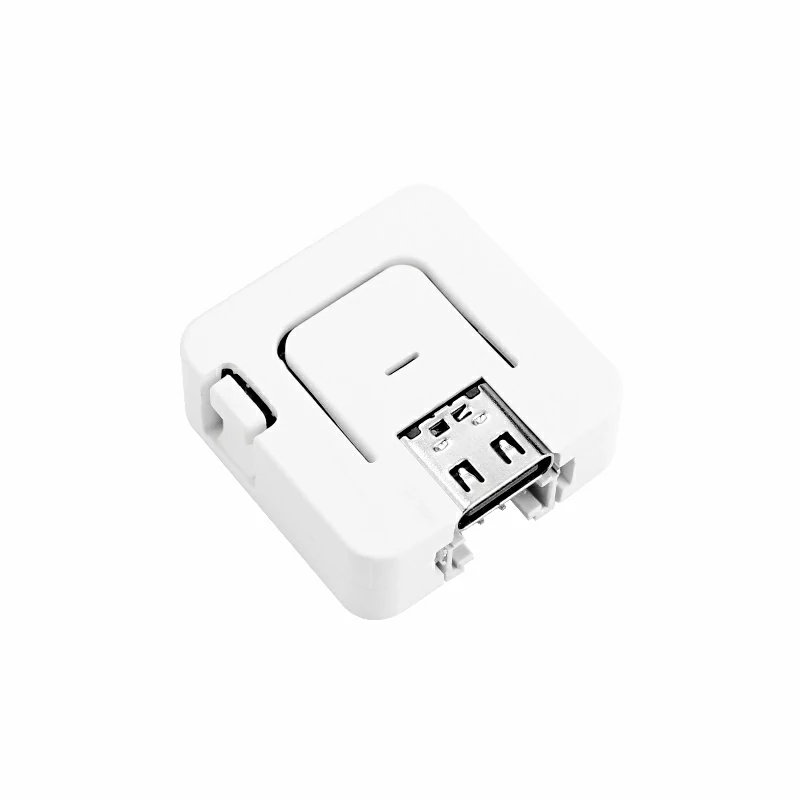
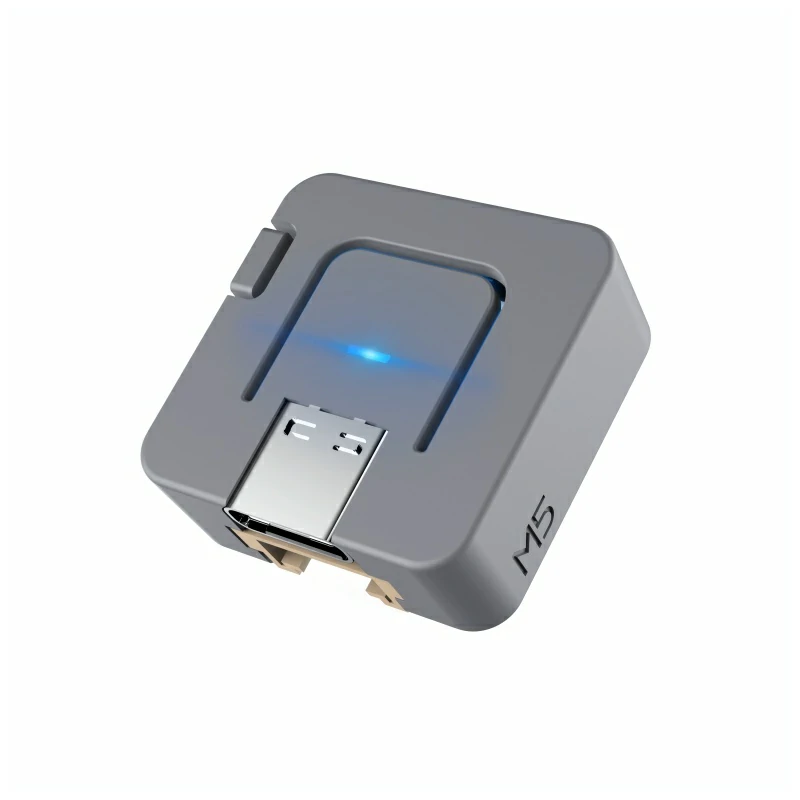
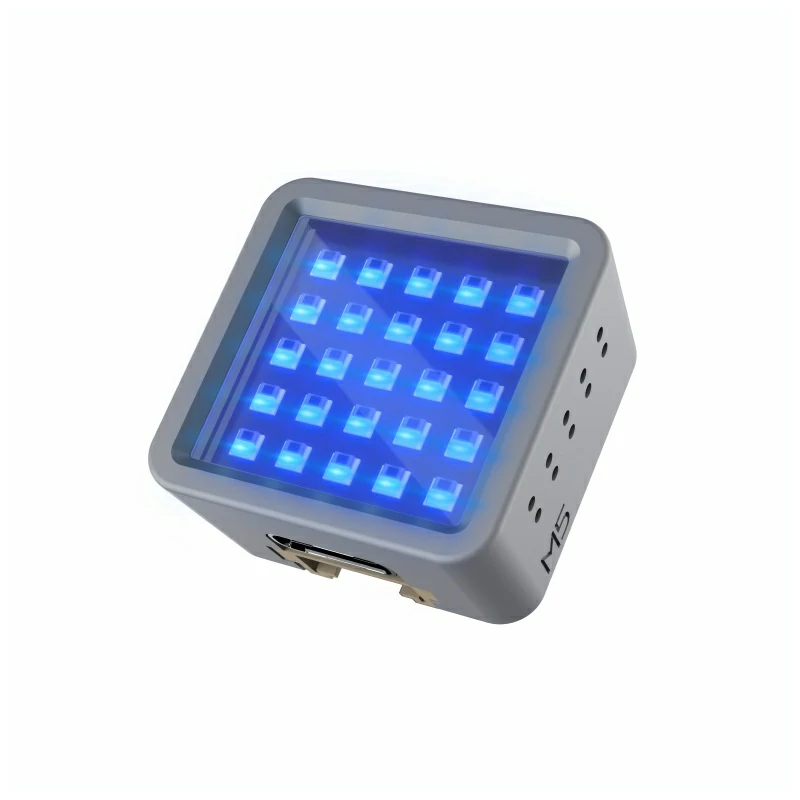
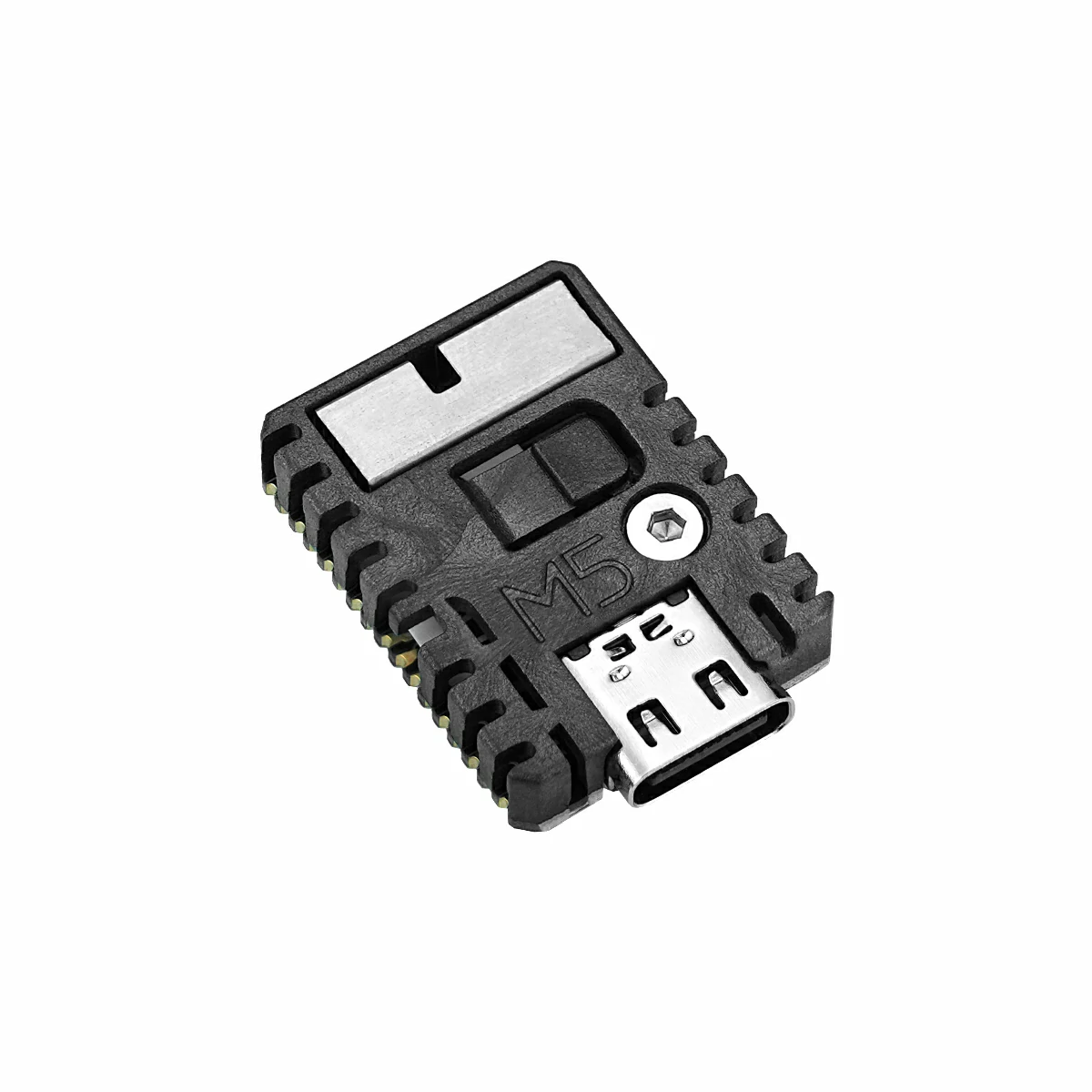
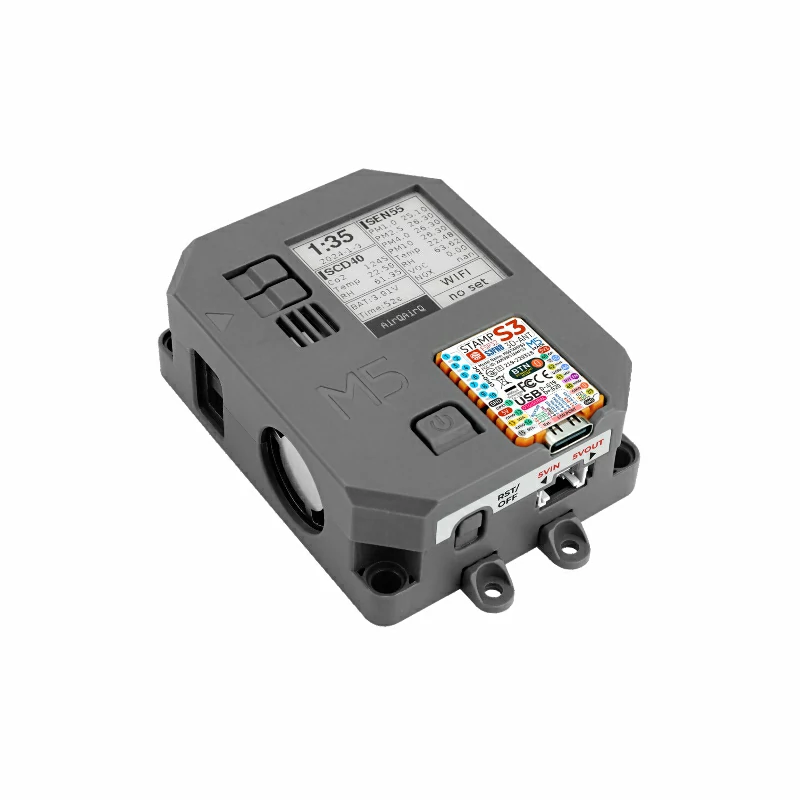
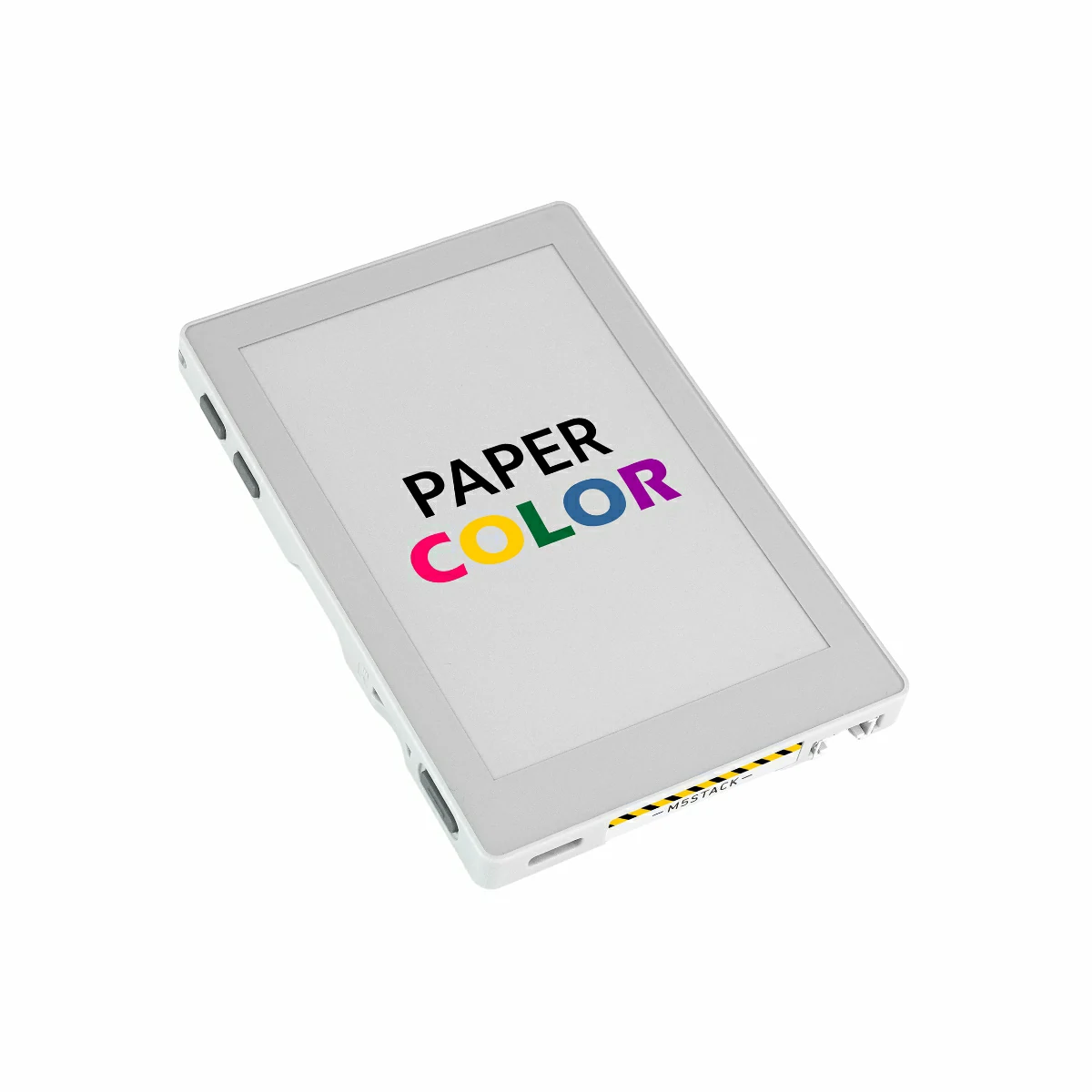
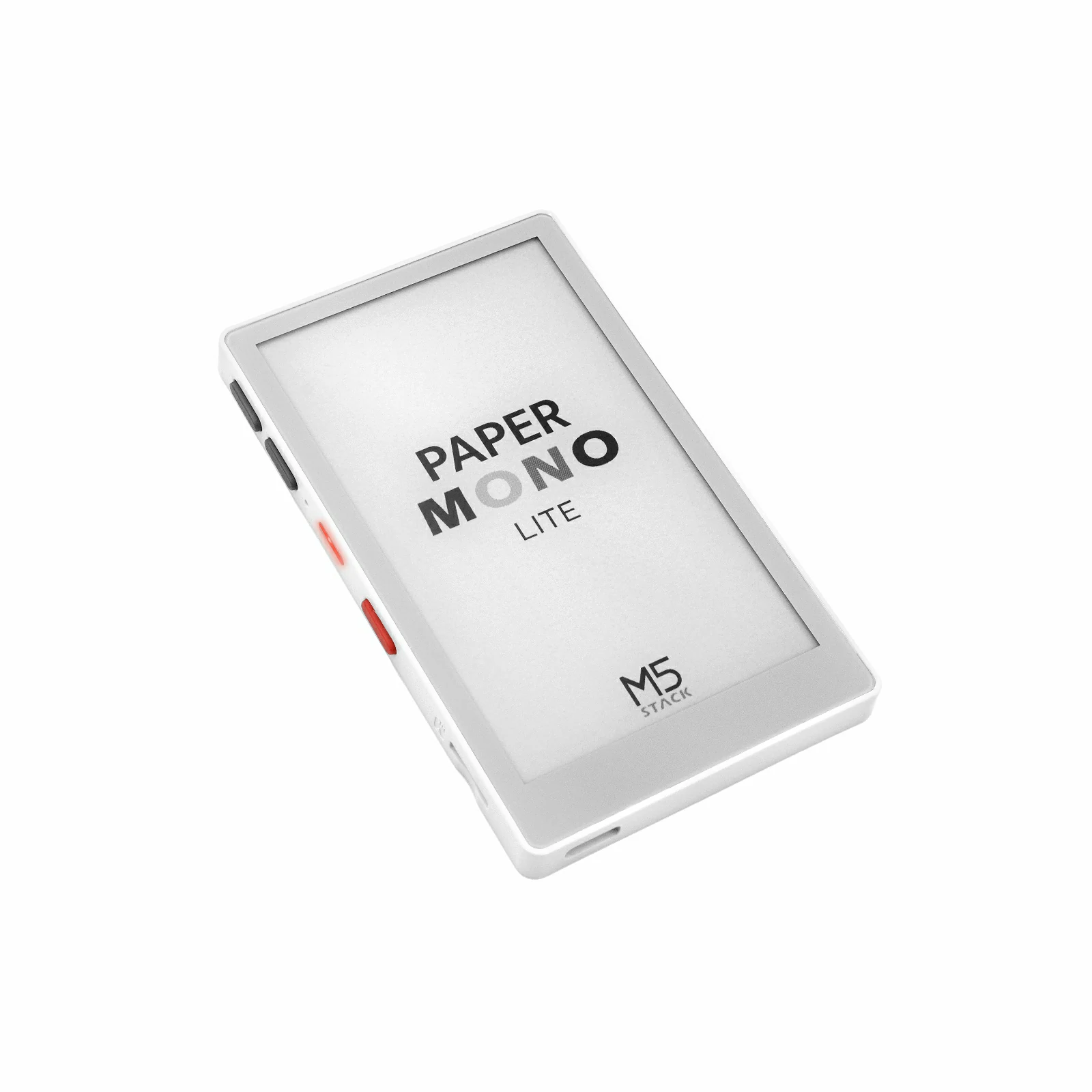
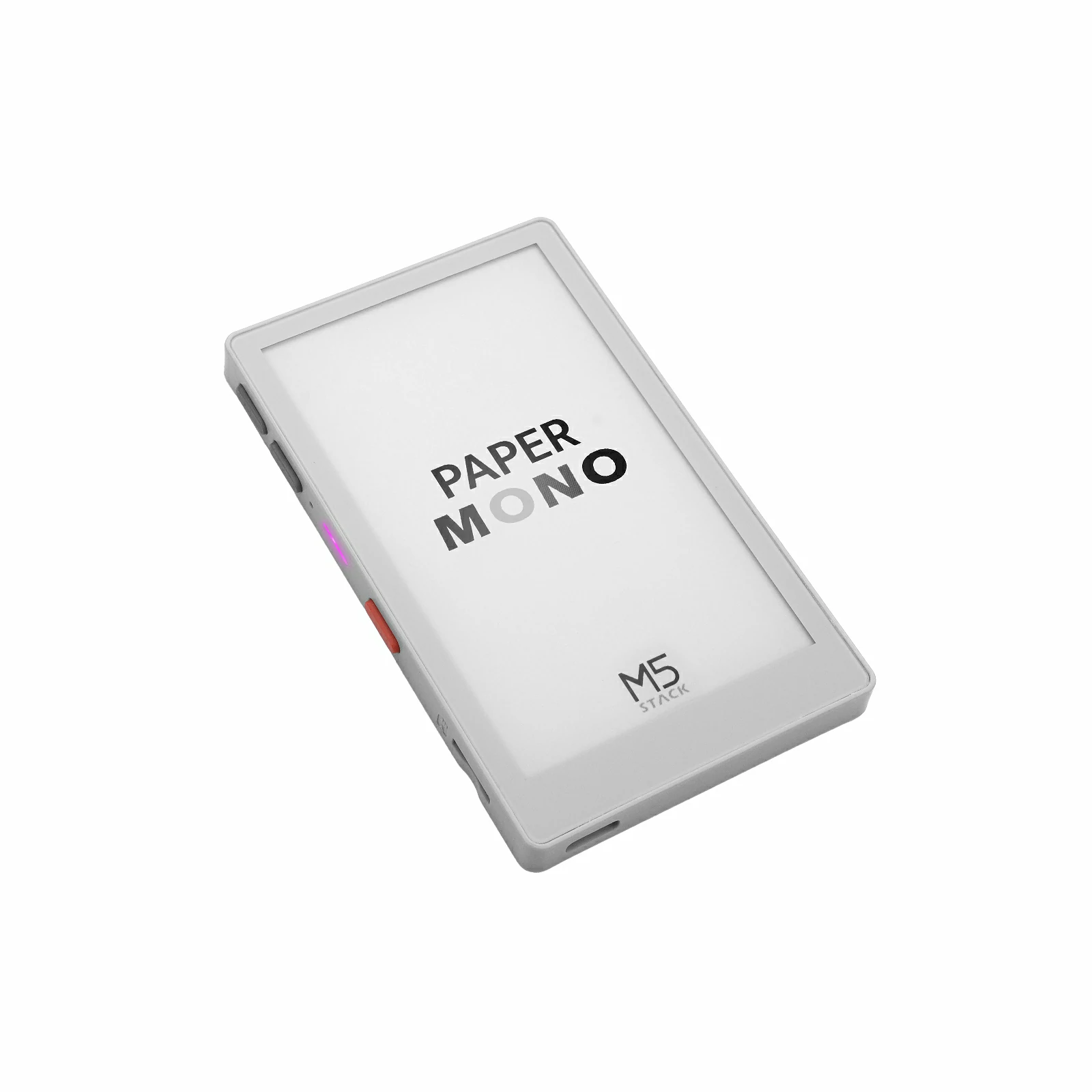
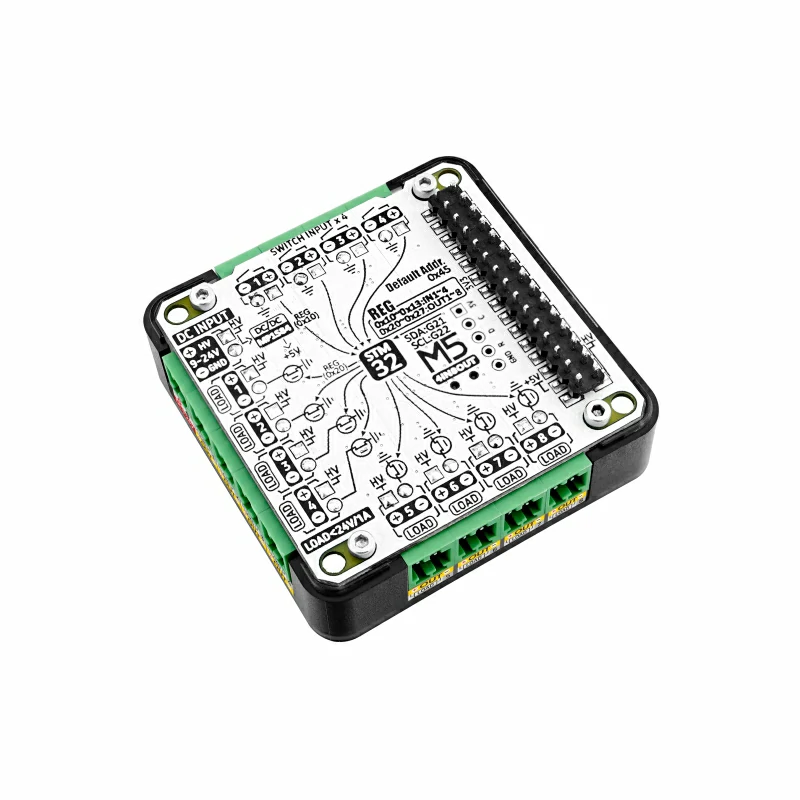
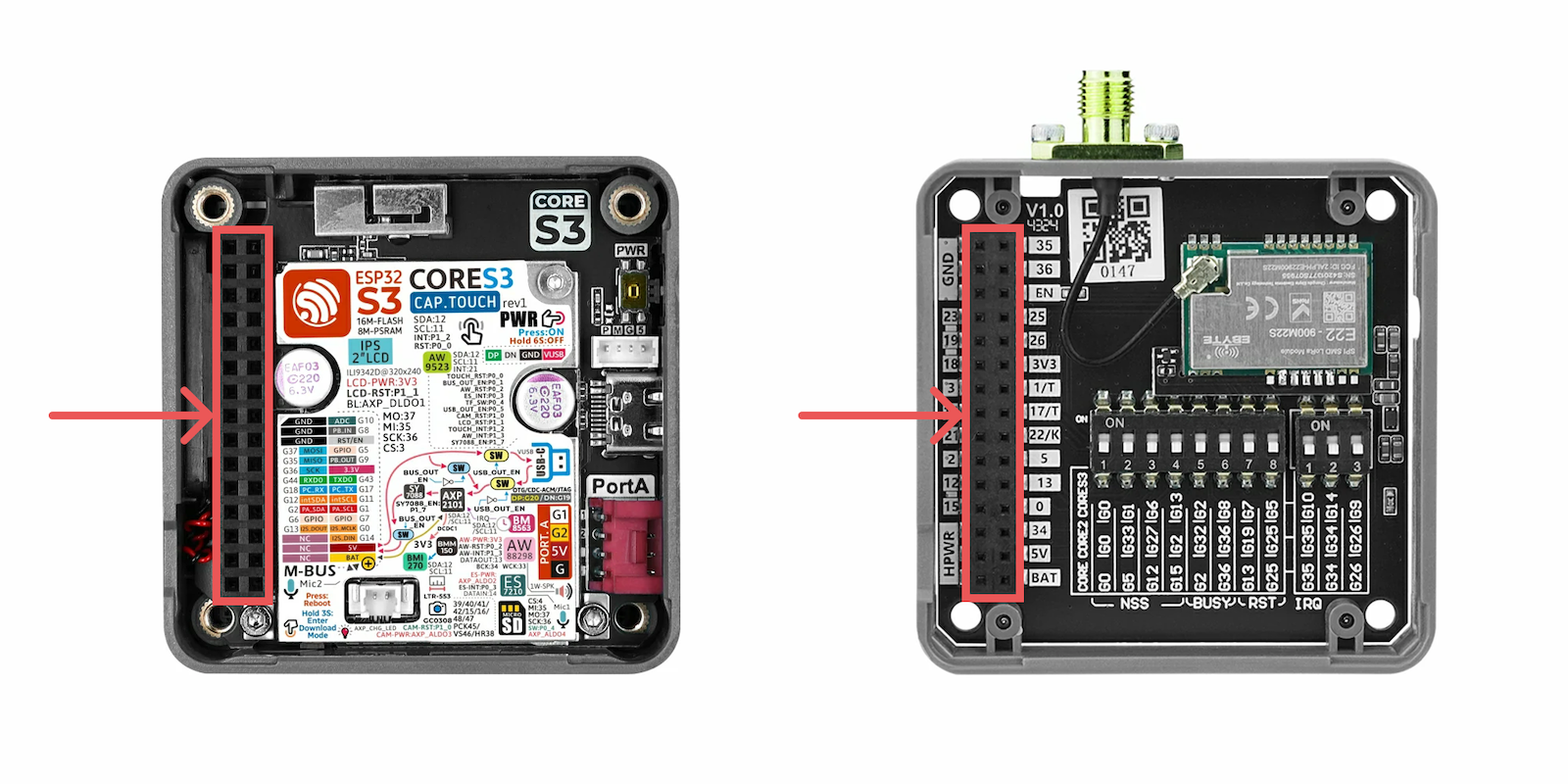
M5Stack is a modular hardware and software platform for IoT and embedded development. The “M” stands for modular design, “5” comes from the original 5 × 5 cm form factor, and “Stack” reflects the stackable design concept. By combining controllers, functional modules, and other expansions, users can move more efficiently from concept validation and prototyping to building real-world applications.
Controllers
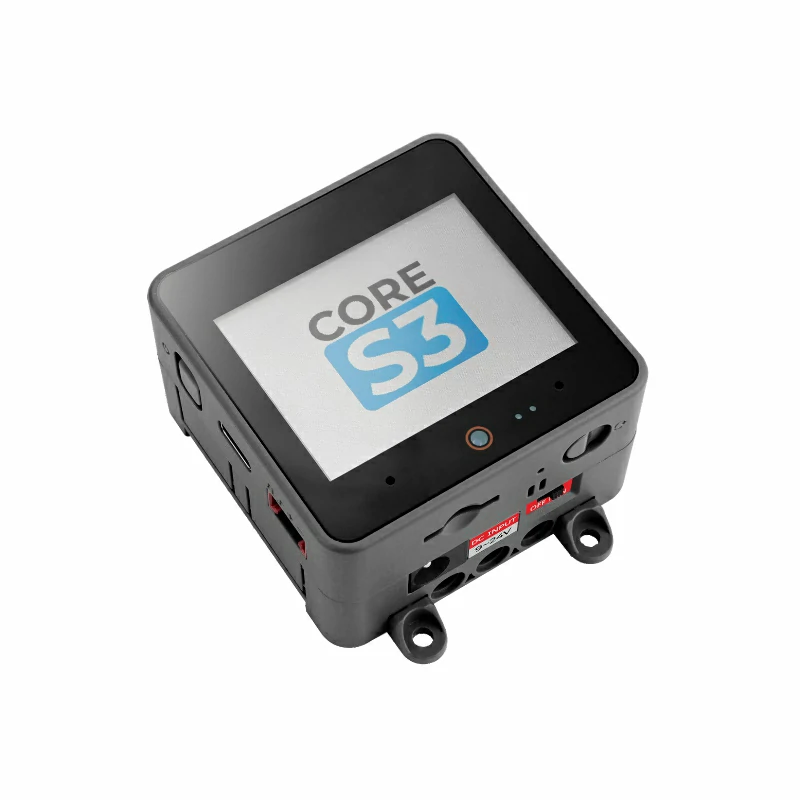
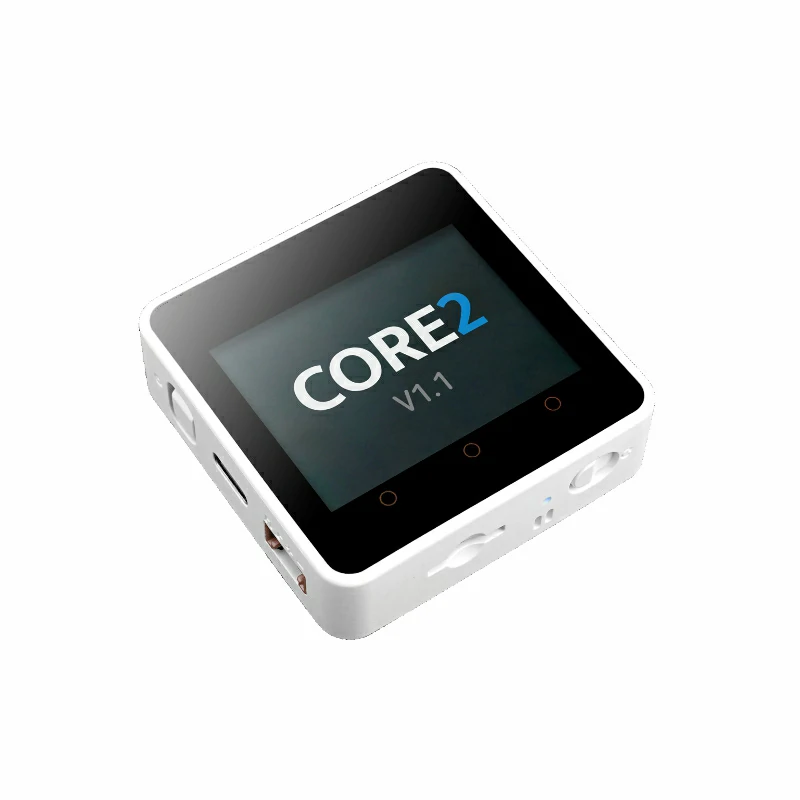

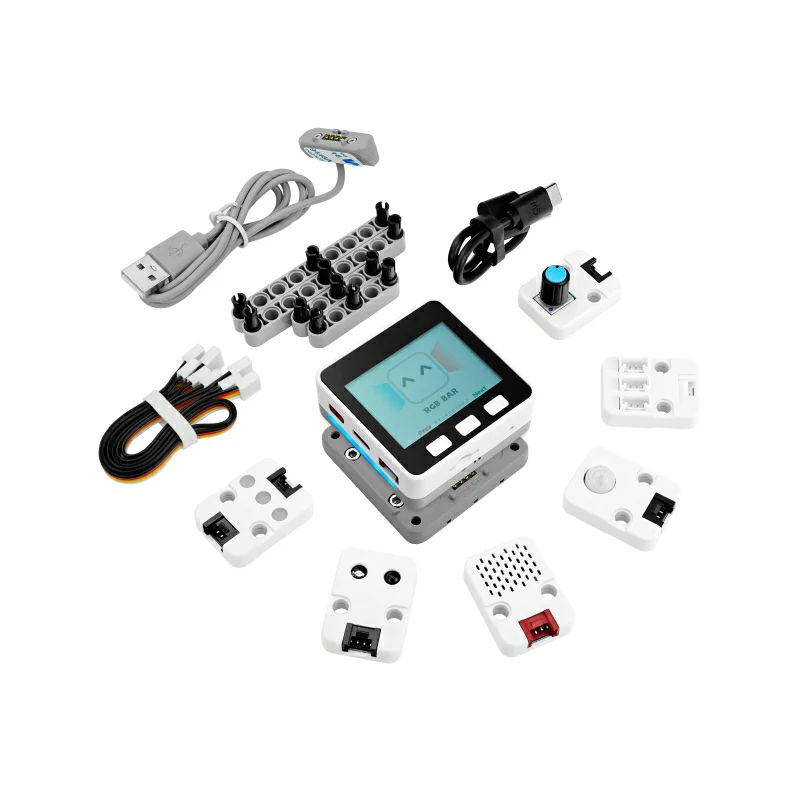
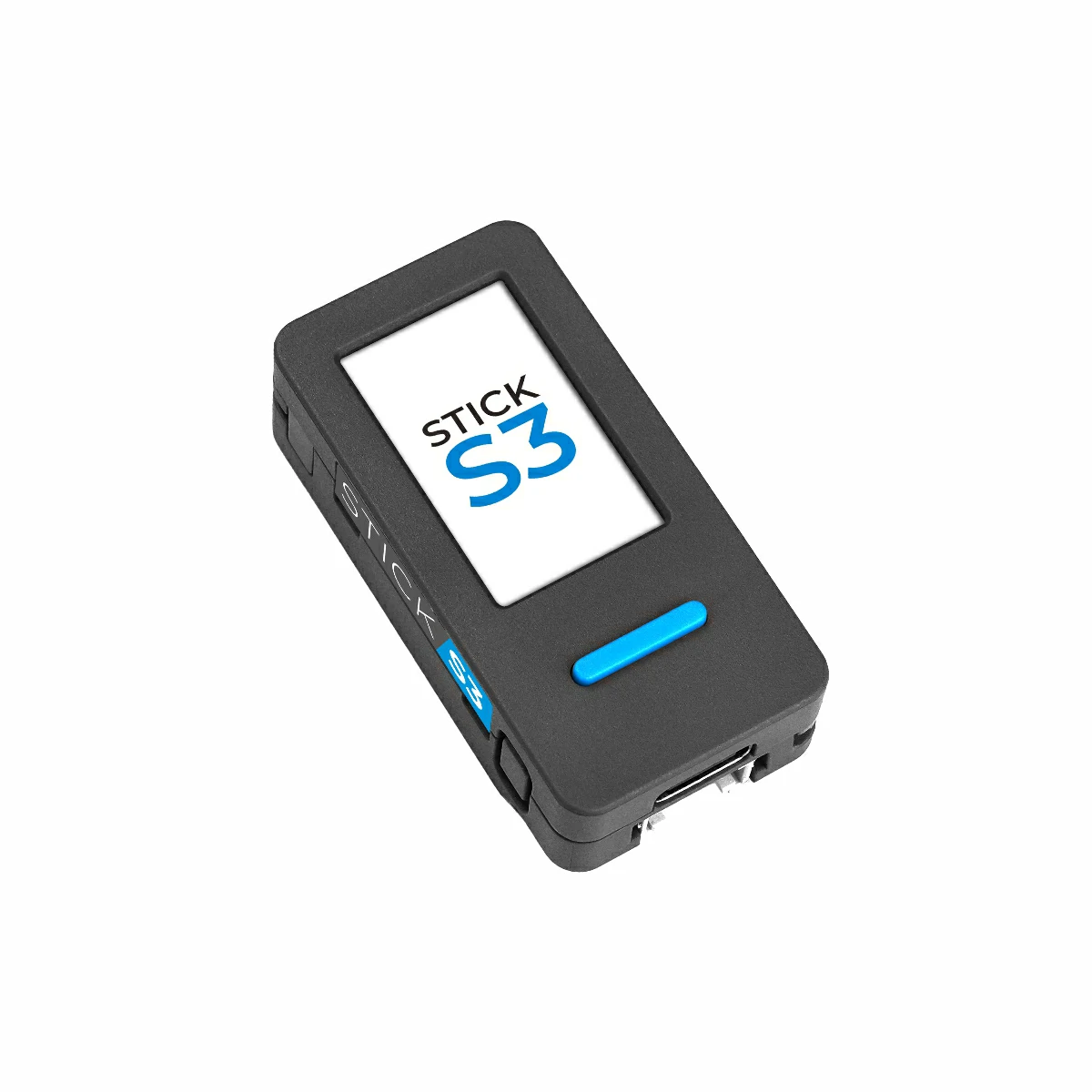
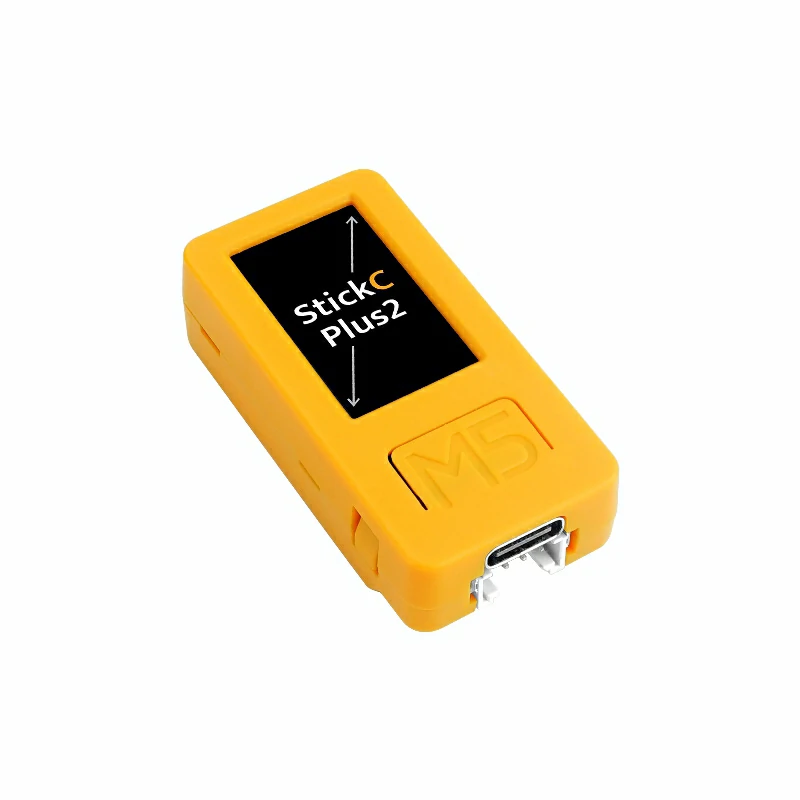
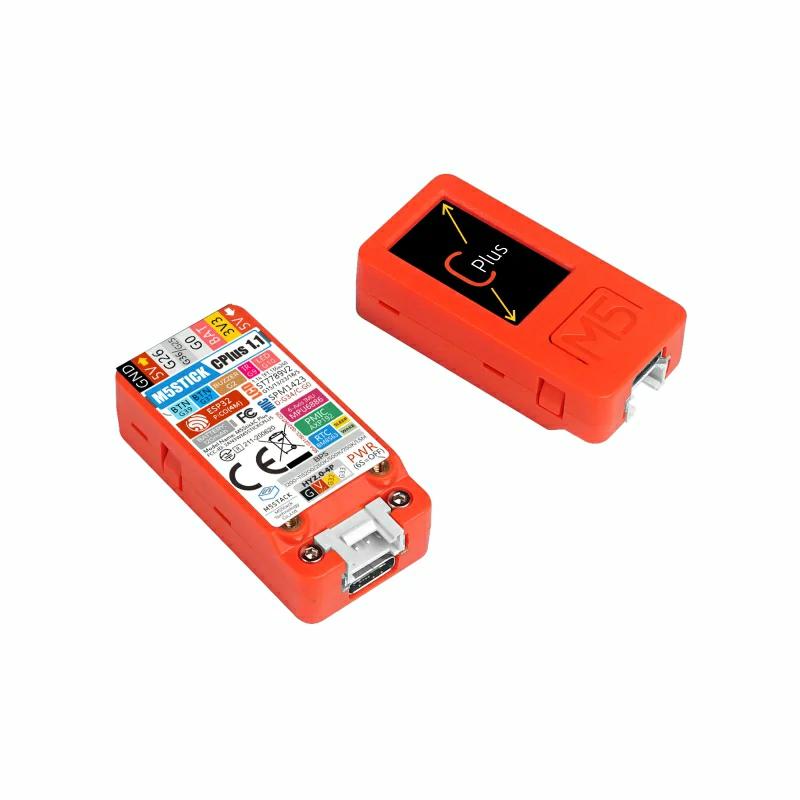
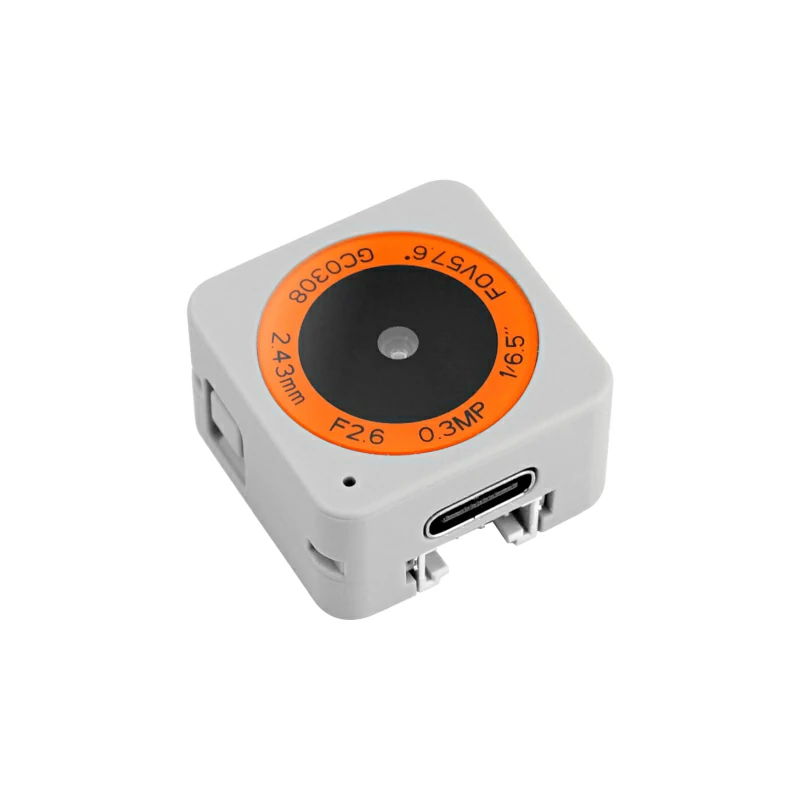
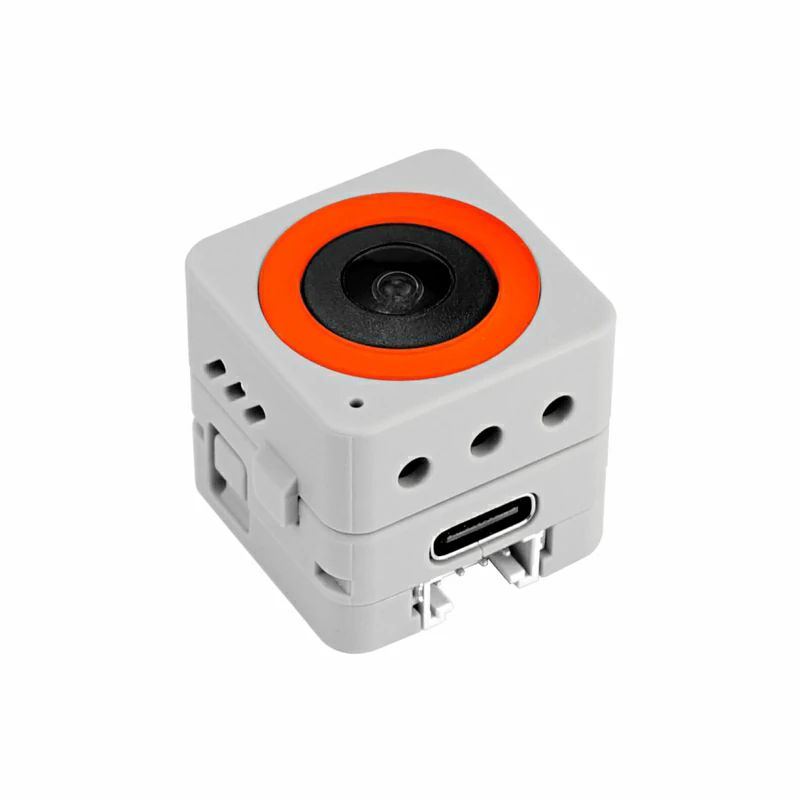
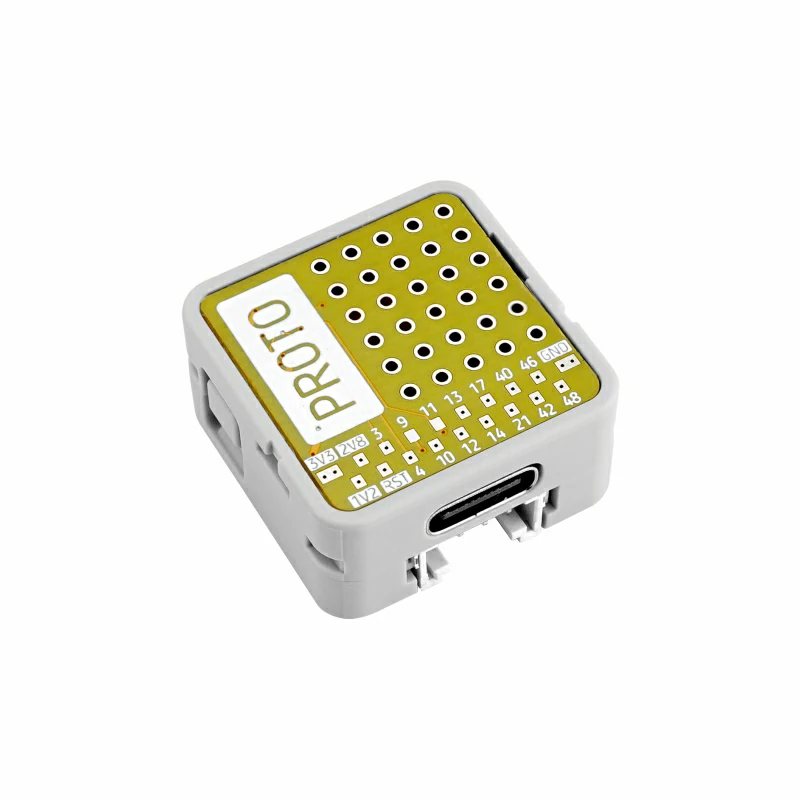
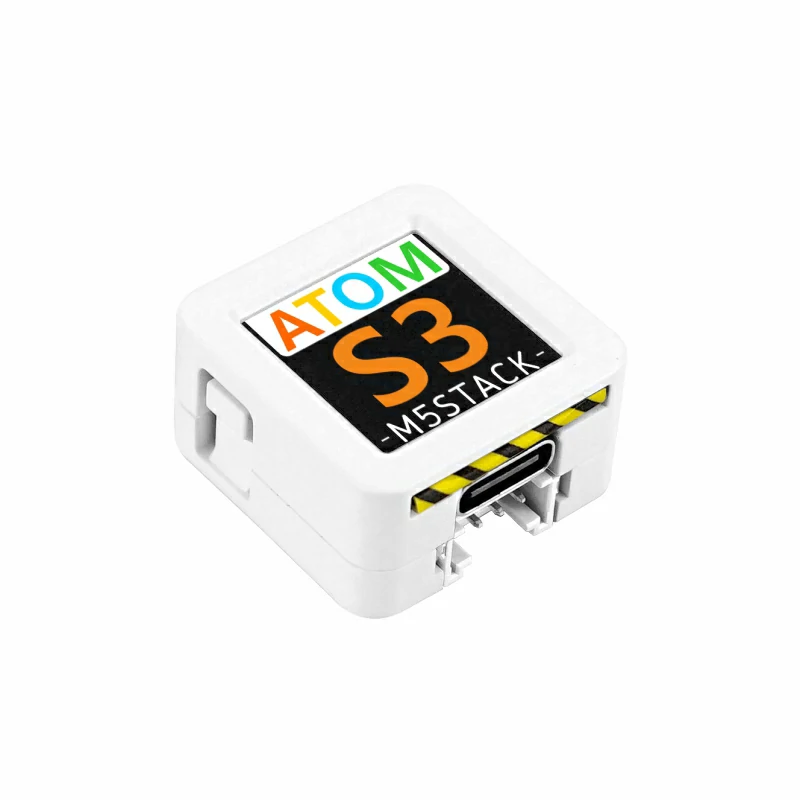
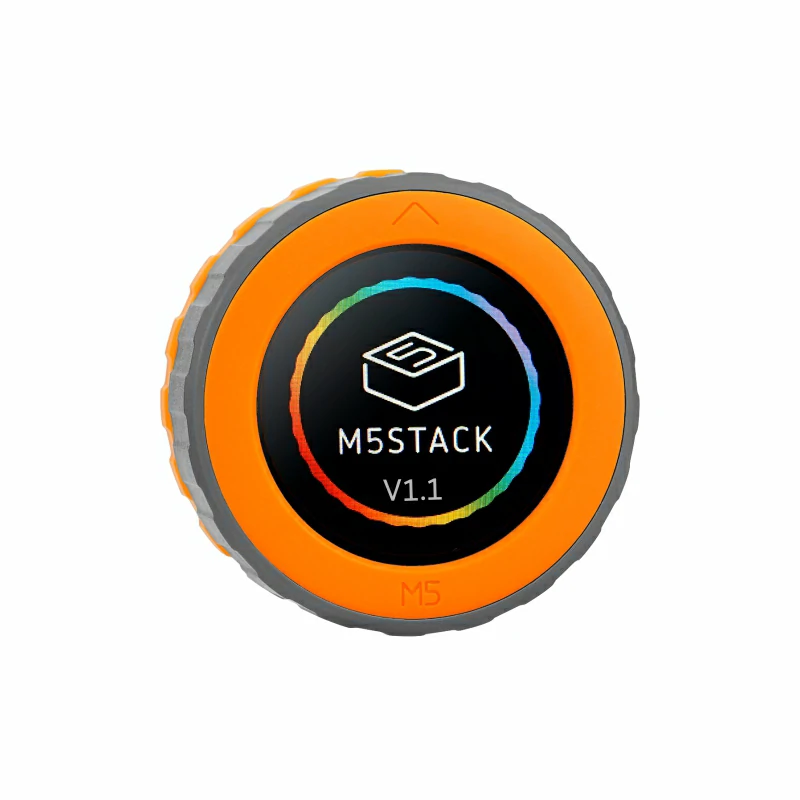
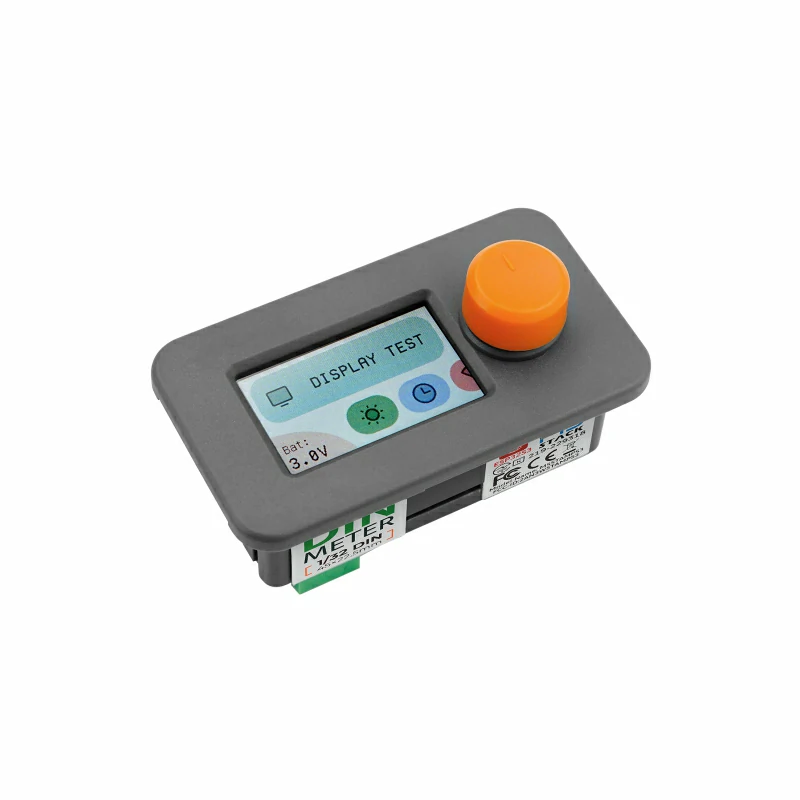
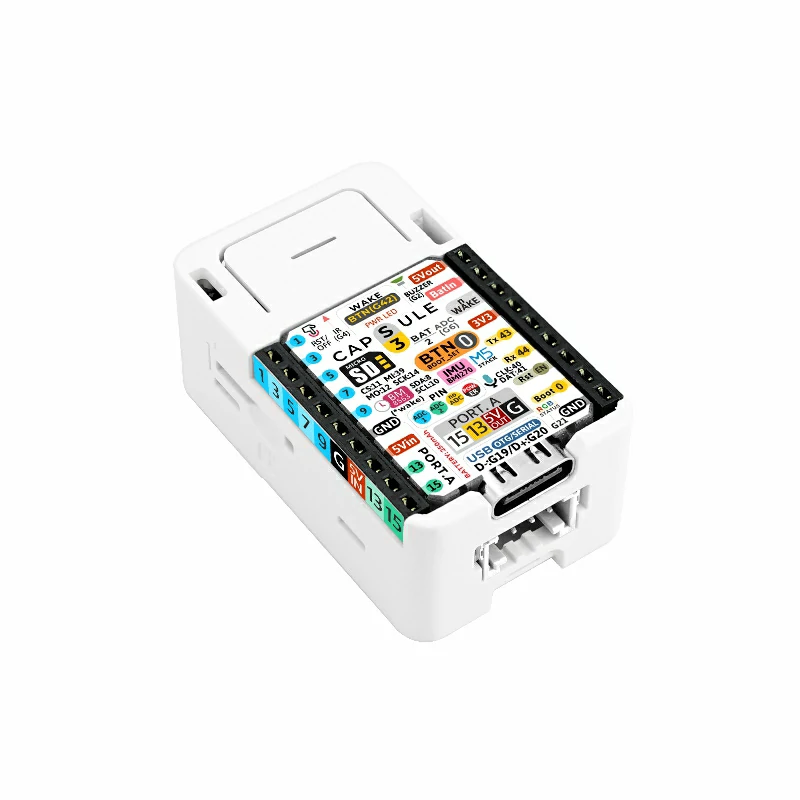
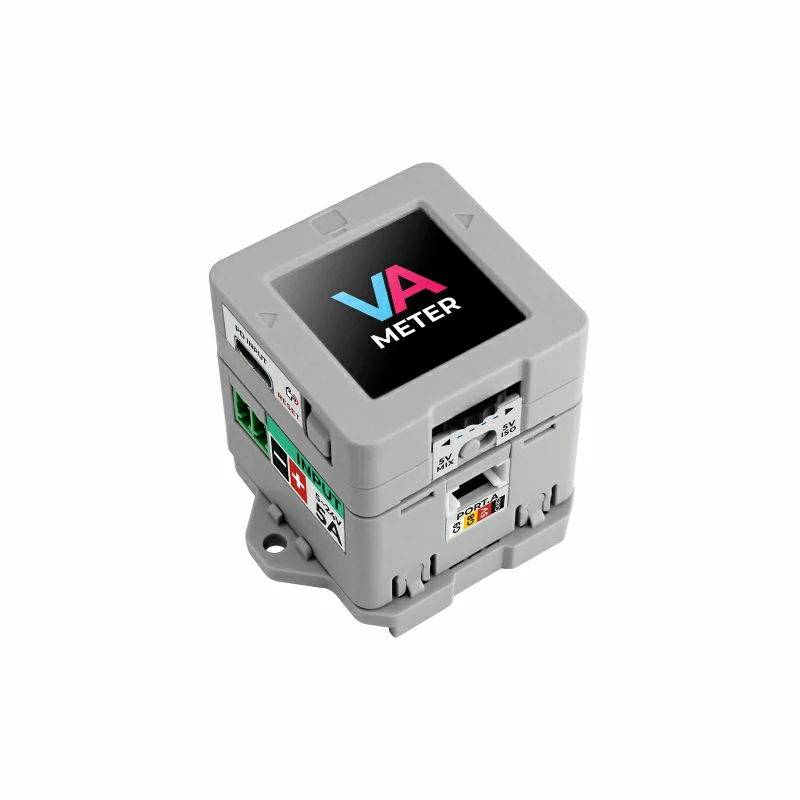
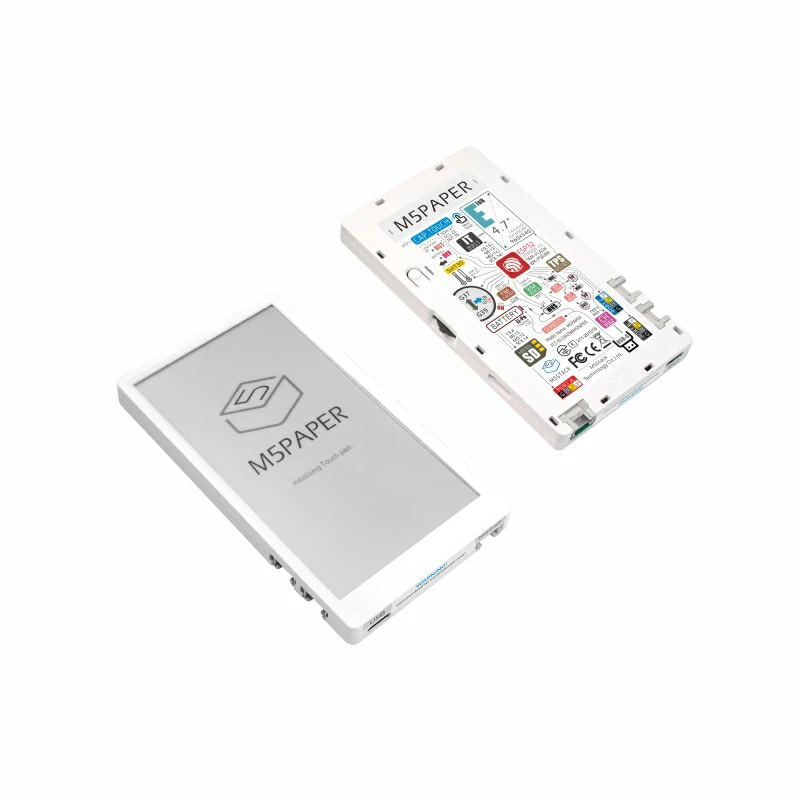
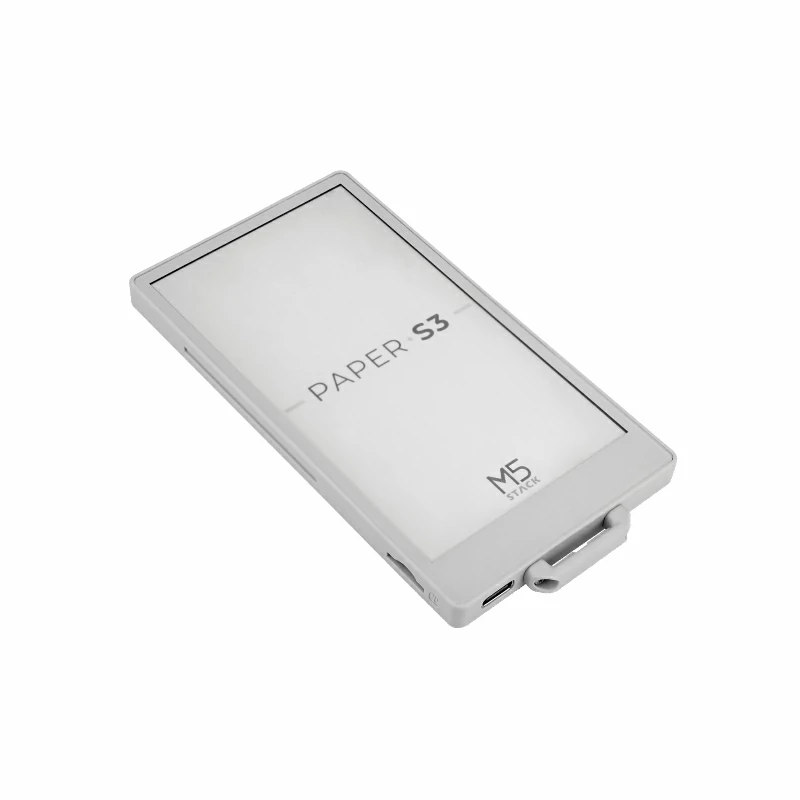
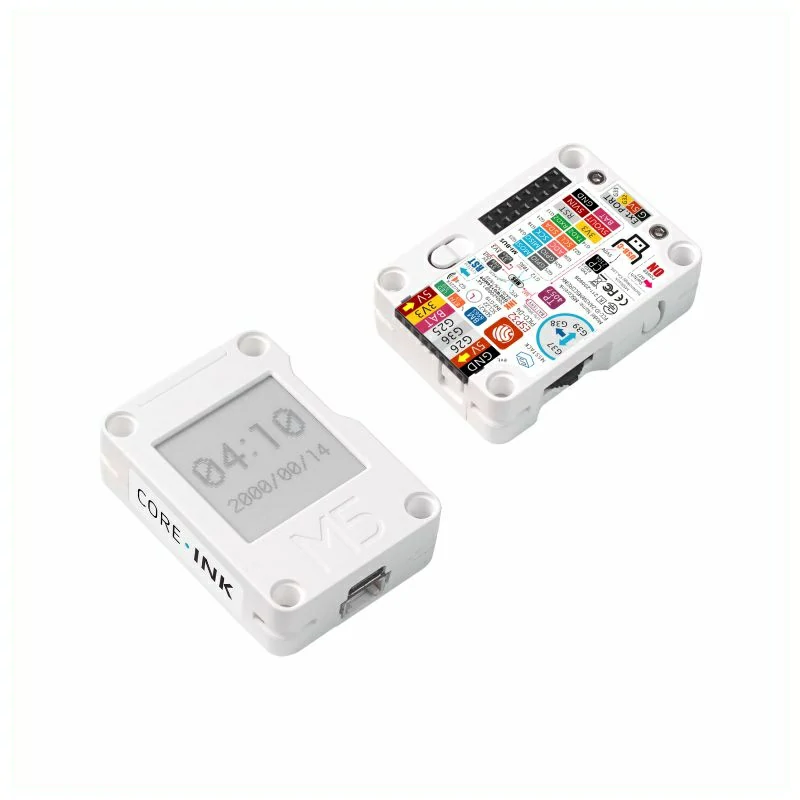
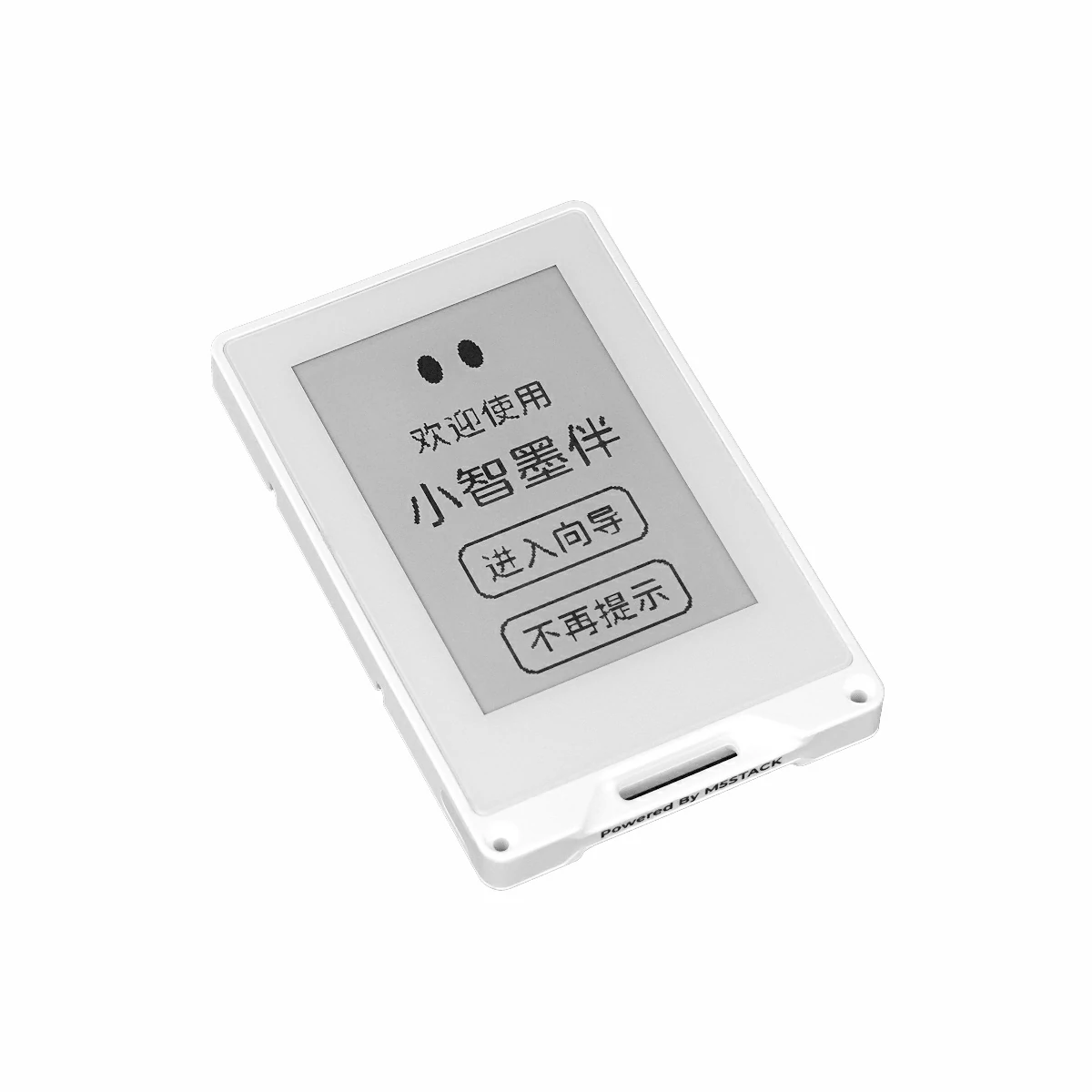
Expansions
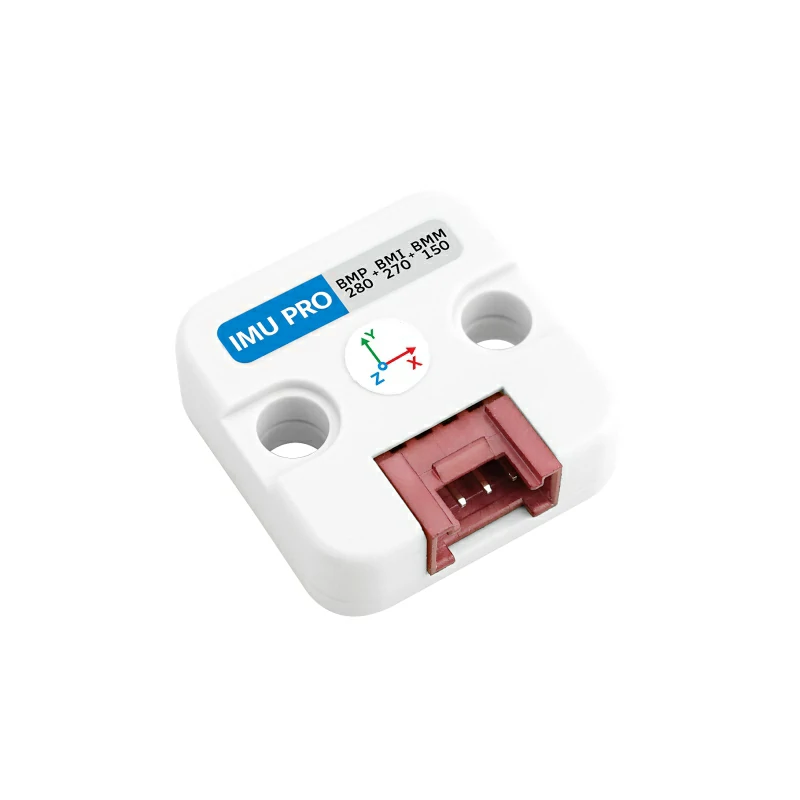
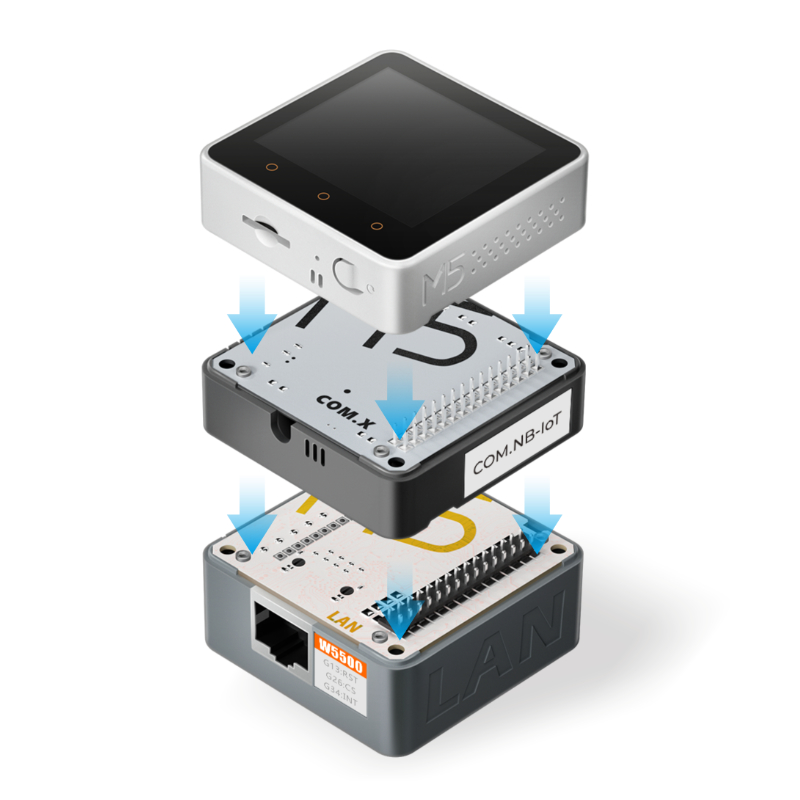
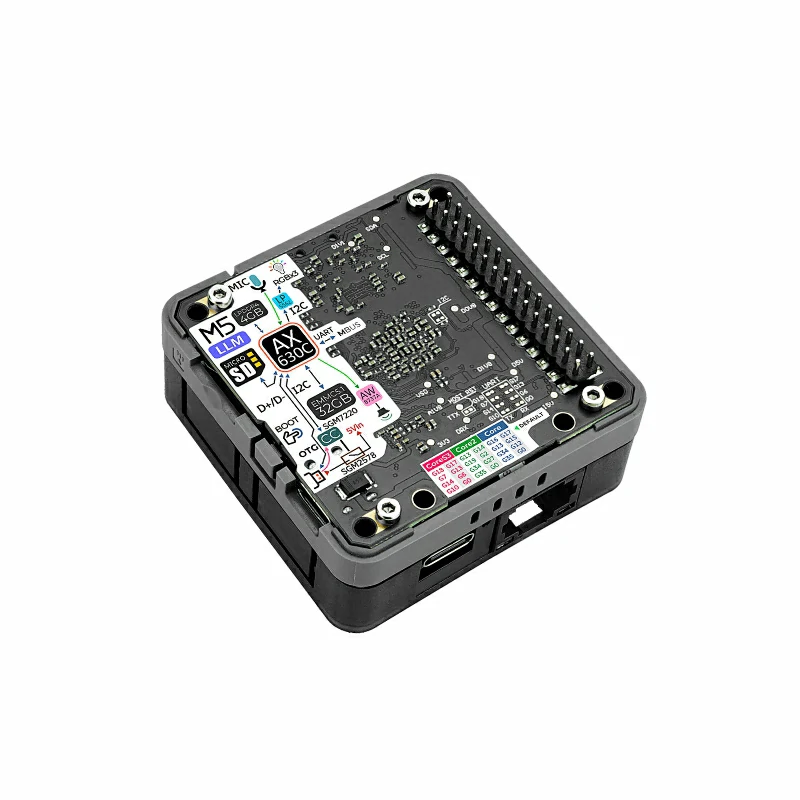
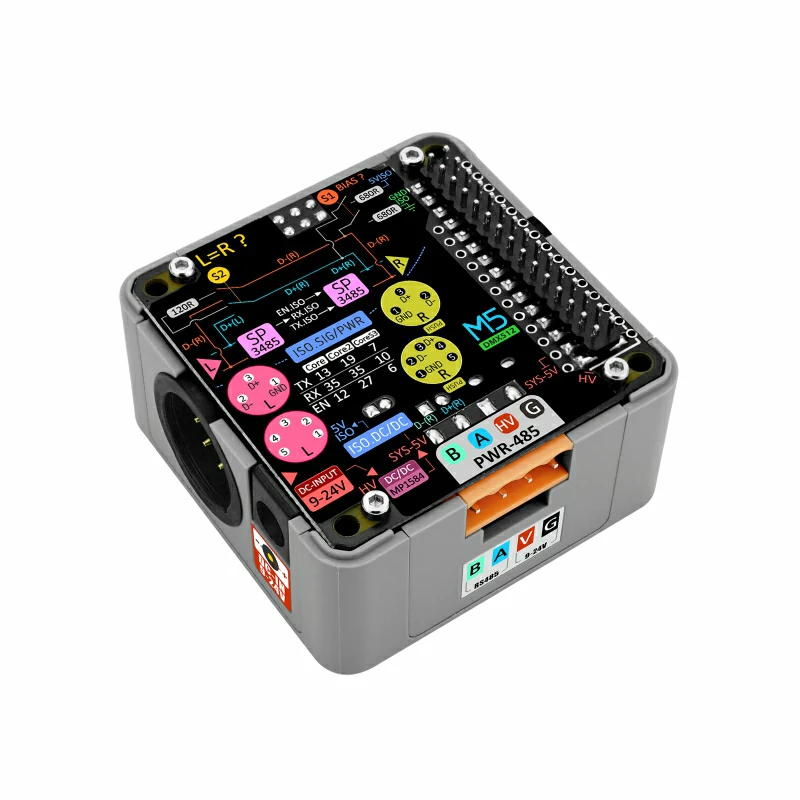
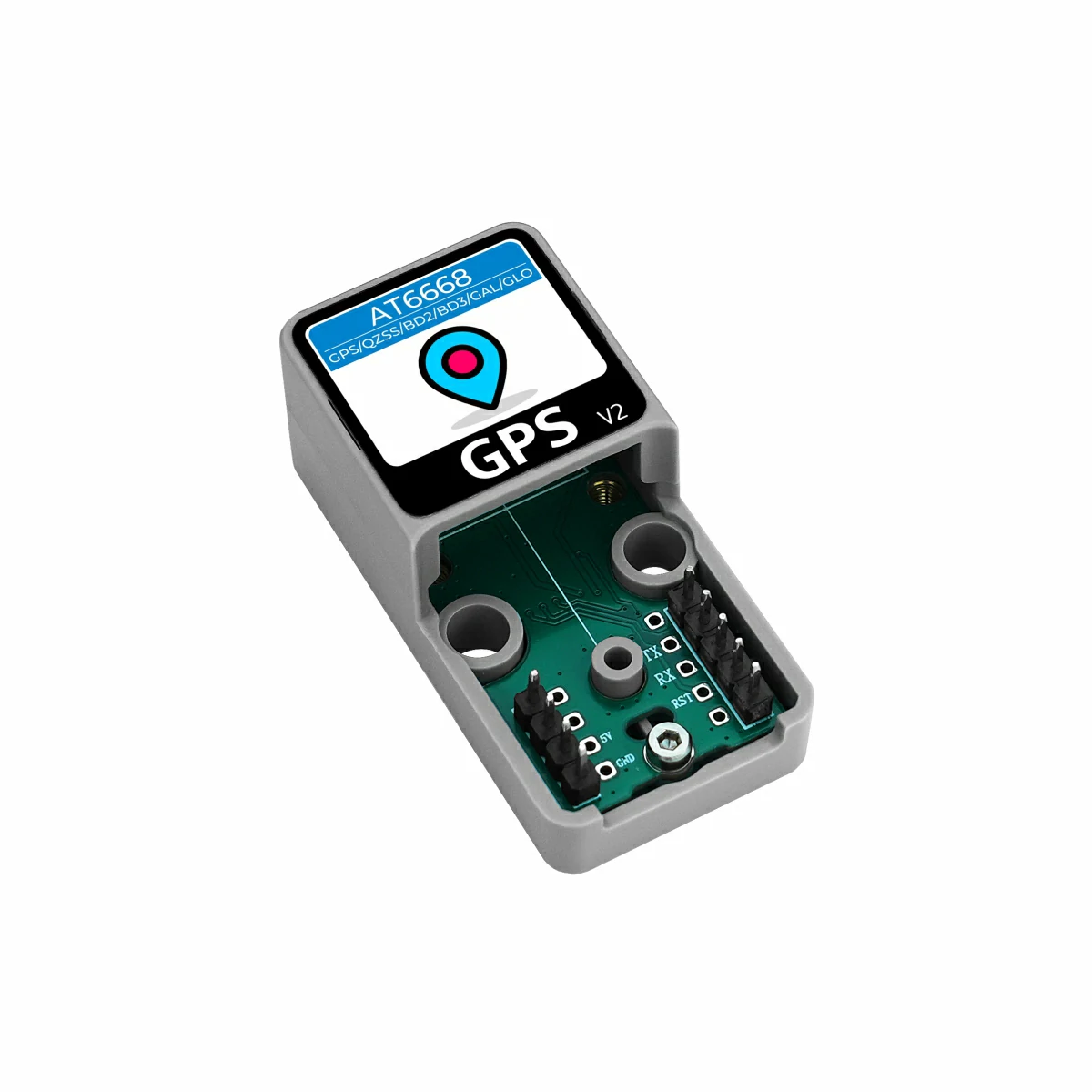
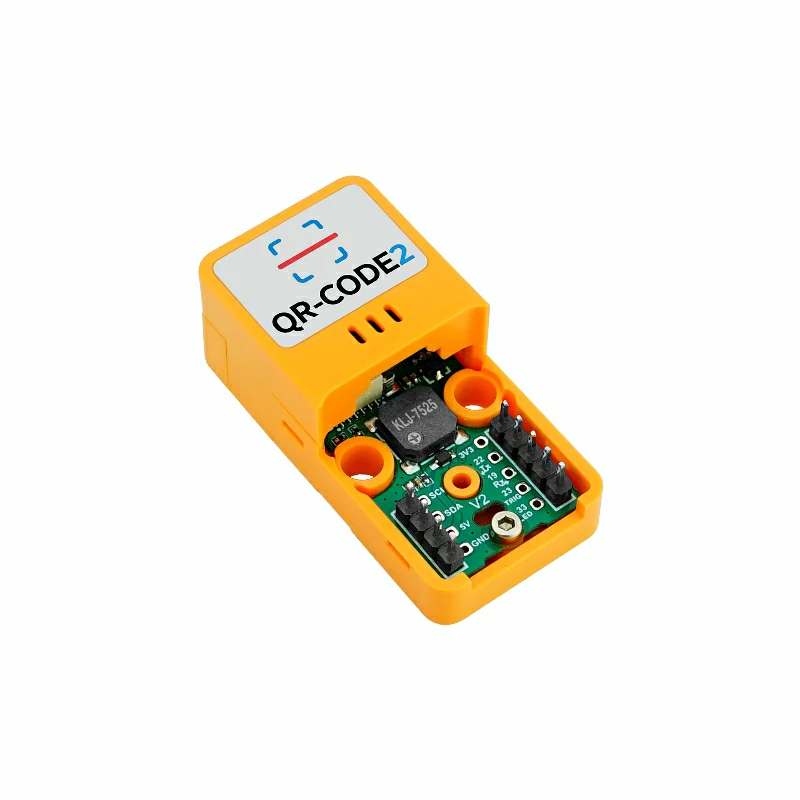
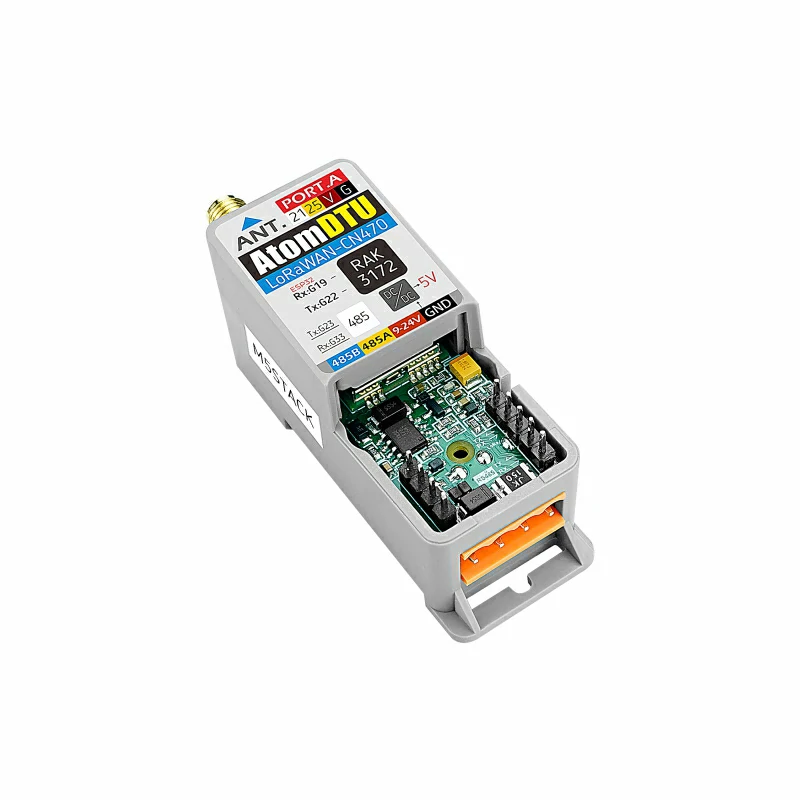
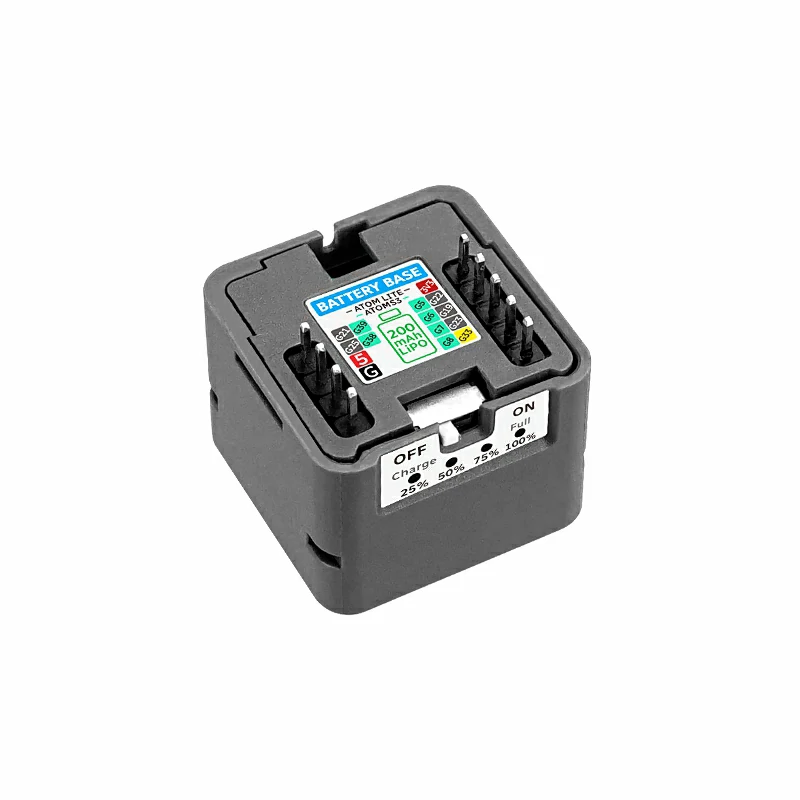
Interface

Software Drivers
Development Tools